Futuro Fortissimo Archive
🎼 ff.95 FarmVille and web3
Feudalism and freedom: reclaiming the internet
Published · Michele Merelli
- Facebook and TikTok: digital feudalism?
- A short history of the internet: web1, web2, web3
- Blockchain: not just financial speculation
🌐ff.95.1 Network sovereignty
Substack ↗There's a law that describes the power of social networks. It's called Metcalfe's Law, named after the man who also invented the Ethernet socket.
Come for the tool, stay for the network. Chris Dixon
YouTube lured us in with free content, but today it has more ads than cable TV.
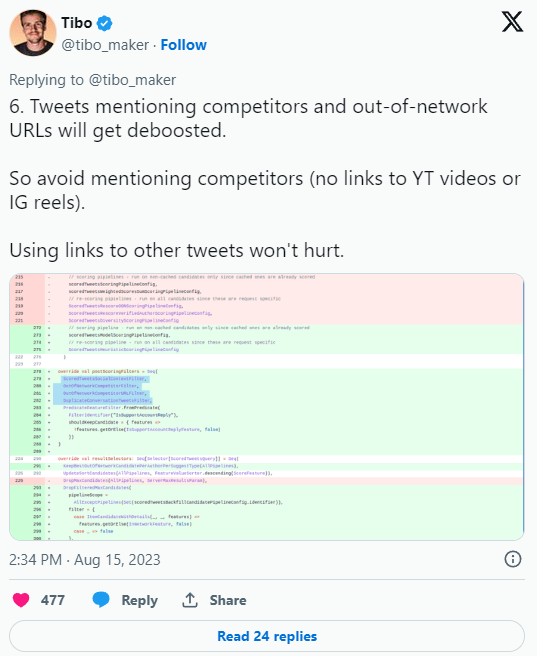
And the network owners decide what to amplify (or silence). Twitter/X shrinks the audience of posts with external links and blocks previews on Substack (I have to screenshot Tibo's tweet so you can read it here).
🦆ff.95.2 FarmVille and feudalism
Substack ↗Let me unlock a memory for you.
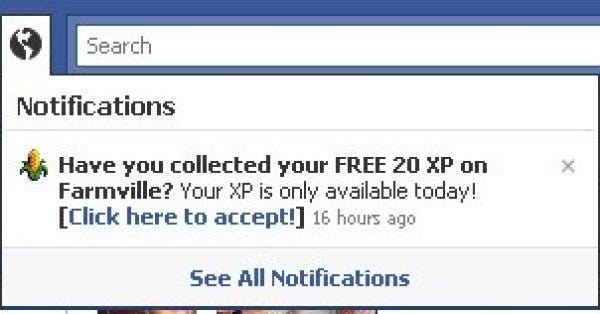
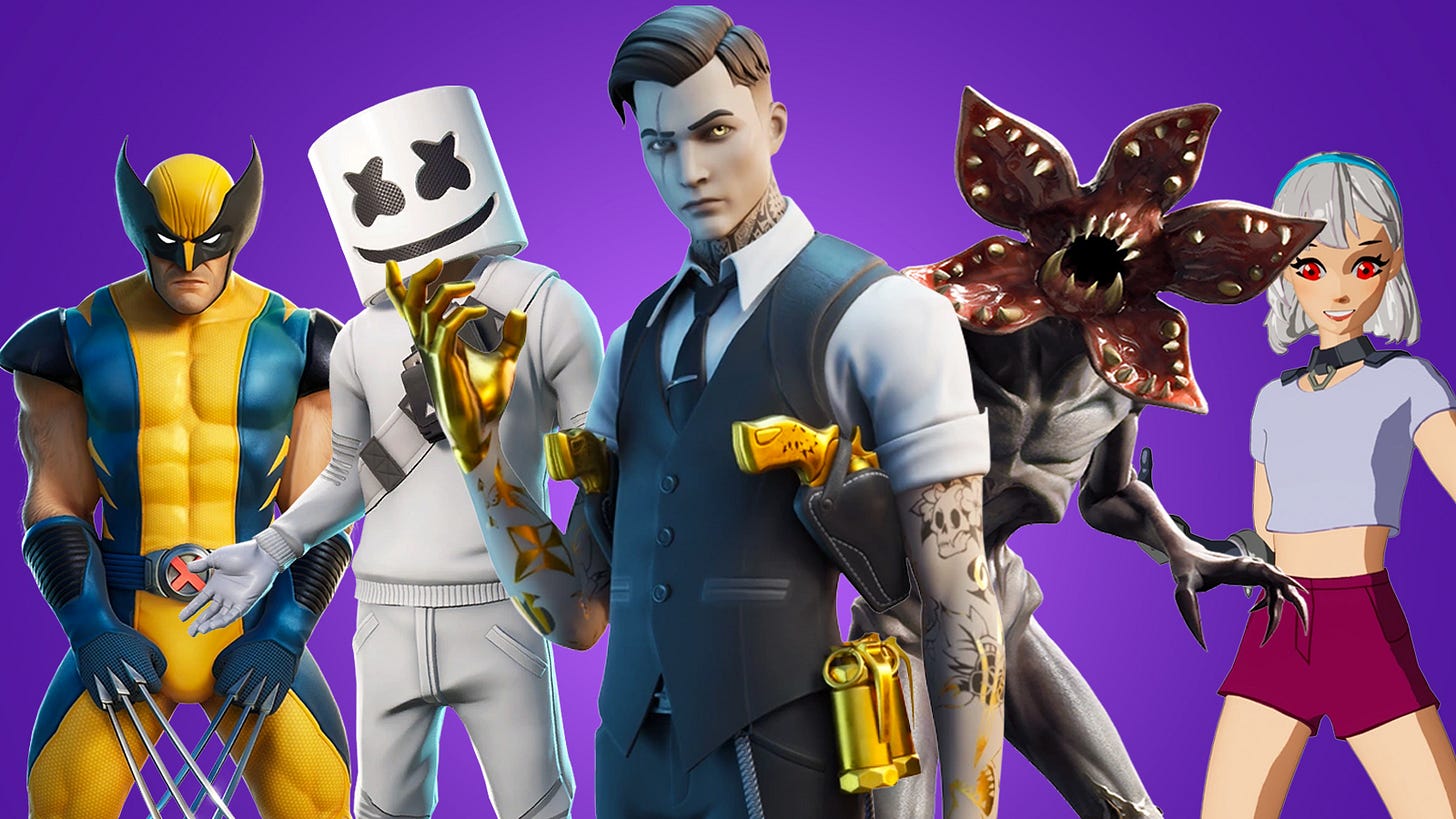
FarmVille and Fortnite. Remember when Facebook was full of notifications like this? Then, in 2011, Facebook effectively choked Zynga's growth, the studio behind FarmVille (which is now working on Sugartown, FarmVille on decentralised servers).
The same could happen to Fortnite: Epic is in a legal battle with Apple, which pockets 30% of in-game purchases.
🔑ff.95.3 Digital private property
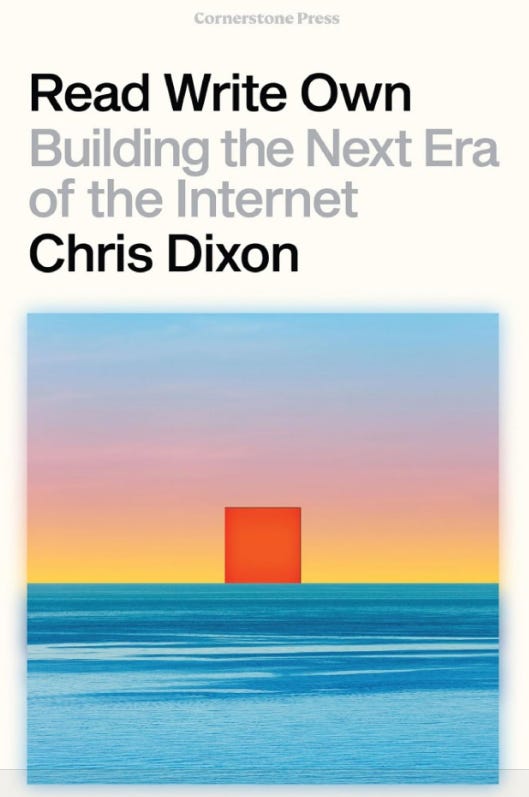
Substack ↗That's how Chris Dixon of the A16Z Crypto fund makes the case for a new internet in his brand-new book Read Write Own.
What is web3? And above all, what are web1 and web2?
web 1 | read + open protocols like the ones still used today by email (SMTP) and websites (HTML) - systems with no organisation and no financial incentives for users web 2 | read and write + centralised databases and user-friendly platforms - free speech but no control over the means of distribution/algorithms web 3 | read, write and own + decentralised databases with blockchain (the web2 advantage) + immutable rules that reward user participation (with tokens) and make funding easier
A good summary of the book is the chat between the author and Balaji (ex-CTO of Coinbase, 🌐 ff.52.3 Founding your own nation).
✍️ ff.95.4 Reinventing writing and printing
Substack ↗Writing and newsletters on Substack could be a first example of the shift to web3. Let's see why.
Since newsletters are emails, running on an open protocol as we've seen, Substack can't lock in its writers if they want to move to other services (a copy-paste of the email list is all it takes).
Gutenberg or Telepass? Writing sits at the heart of another analogy. Just as the printing press broke the Inquisition's grip, blockchain gives network neutrality back to users/influencers/brands, who are forced to pay more and more for the same traffic on social media.
⛓️ff.95.5 What does blockchain solve?
Substack ↗Asking what blockchain solves is like asking: “what does steel solve?” Chris Dixon, Read Write Own
Beyond censorship and “marketplace taxes”, here are the weak spots of today's online world:
Boxing. AI packs content harvested online into boxes/FAQs/chats, taking monetisation away from the original sites. Deepfakes, ever more convincing, undermine the credibility of online content (🍝ff.85.4 Carbonara and cryptocurrencies, verifymedia)
and the opportunities:
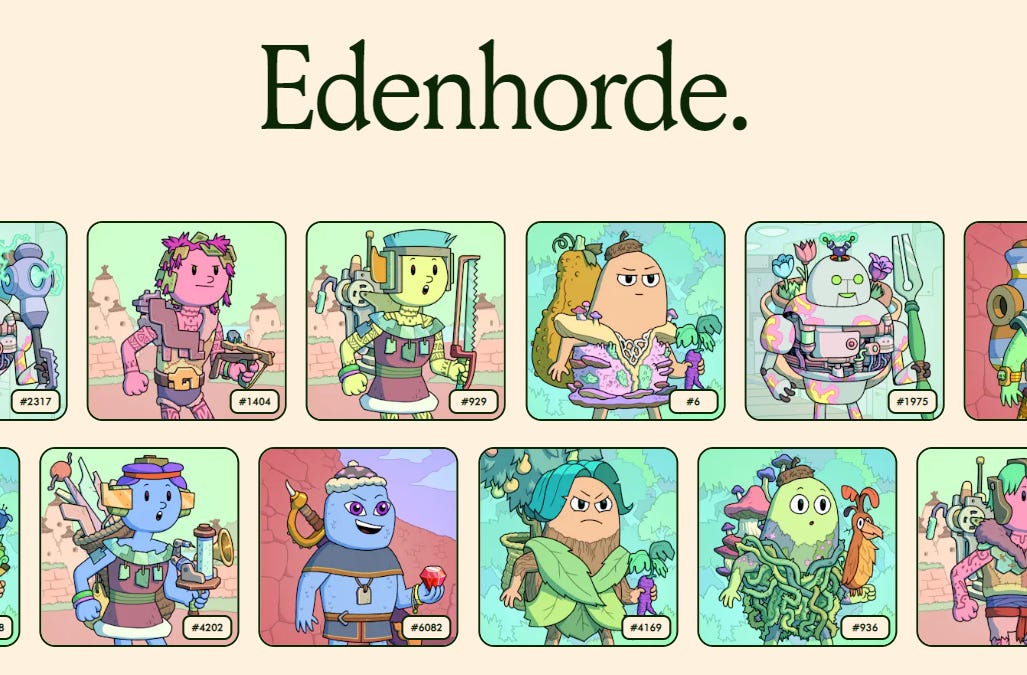
Tokenisation. In gaming, mods are the order of the day (League of Legends is a remix of a Warcraft III map). Blockchain rewards user creativity and contributions in a predictable way (Edenhorde, the collaborative Lord of the Rings that gives value back to users)
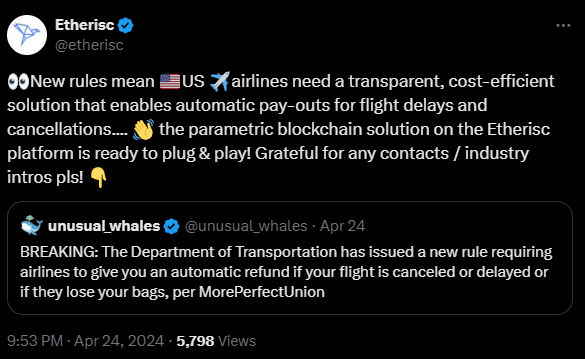
Interoperability. Moving contacts, content and purchases from one platform to another with zero friction (as mentioned, see the Substack example) Bureaucracy. The example of Etherisc, which refunds your plane ticket in 10 minutes
And that's all for today. I'm off to un-block my back a little. 👋 See you soon, from micmer
lenaweber404A post shared by@lenaweber404
🎶 fortissimo notes archive
☕ virtual coffee
❤️ a little heart below?