Futuro Fortissimo Archive
🎼 ff.113 Chemical hunger
What “relationship” should we have with food?
Published · Michele Merelli
- Why the scale is the wrong tool
- In what sense is diet a matter of chemistry?
- Moving past the protein, carb and fat divide?
⚖️ ff.113.1 Shall we throw away the scale?
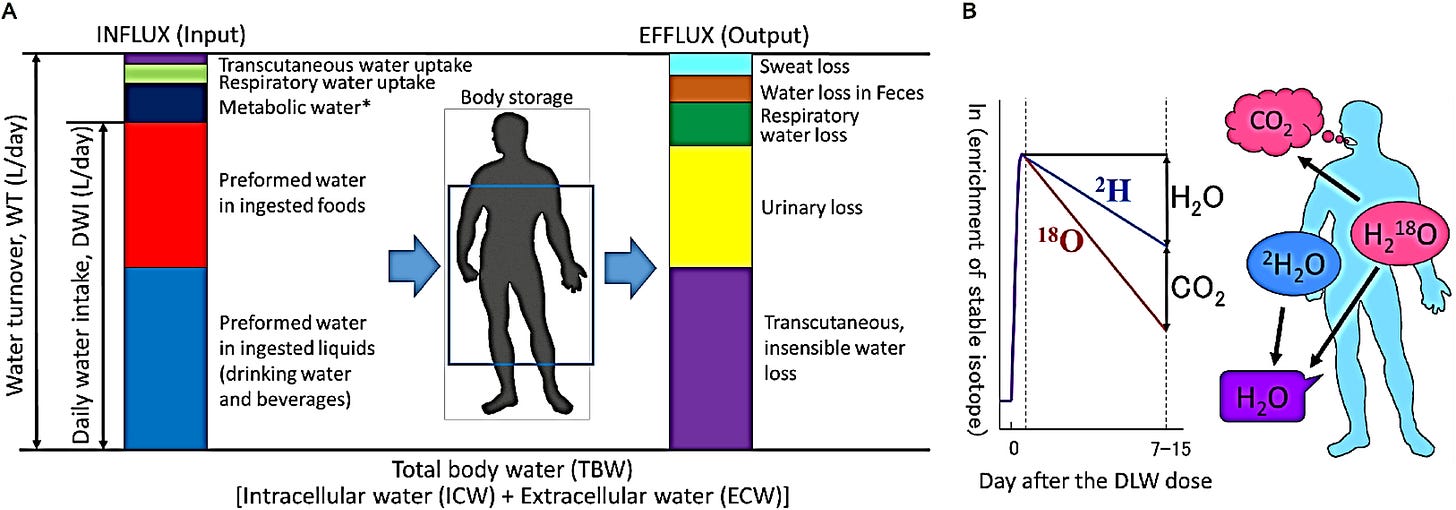
Substack ↗Say diet, and everyone thinks of the weight on the scale (or rather mass, to be scientifically precise).
Problems, problems, problems. That number can't guide our food and health choices:
every day the amount of water in our body can vary by 1 to 4 litres; muscle weighs more than fat for the same volume; few scales (bioimpedance ones included) properly measure visceral fat (the most dangerous kind)
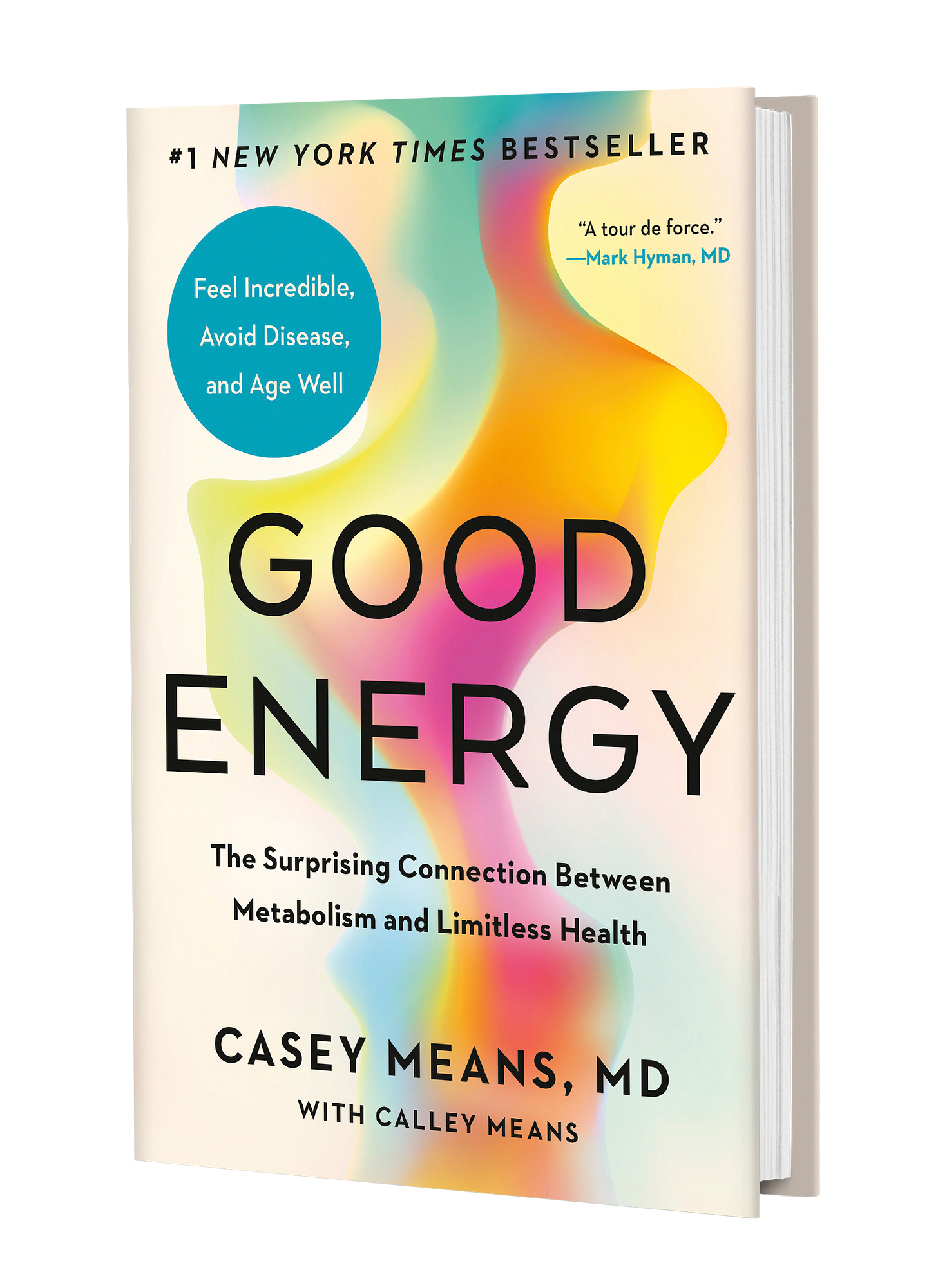
In Good Energy, Casey Means starts from her mother's death to change course: pay attention to metabolism. And to “good energy”.
Casey left contemporary medicine: it pushes you to specialise and treat, instead of preventing and seeing the body as a whole.
With Levels too, she proposes personalised medicine (for example with continuous glucose monitoring 🕛 ff.35.2 Smartwatches and more).
She also points to new markers for telling whether we're truly “healthy”:
Fasting glucose: correlates with our metabolic health, optimal below 85 mg/dL. Insulin needed to keep sugars in check (HOMA-IR): the ratio of glucose to insulin in the blood, optimal below 2. Average blood sugar (3 months, HbA1c): measures haemoglobin glycation.
🥛 ff.113.2 The protein-milk trick
Substack ↗Food as medicine. But we also need to focus on food, on good energy, precisely.
Hard, when food producers spend 10 times more on marketing and tempting (but unhealthy) formulations than goes into medical research.
Two personal anecdotes to prove it.
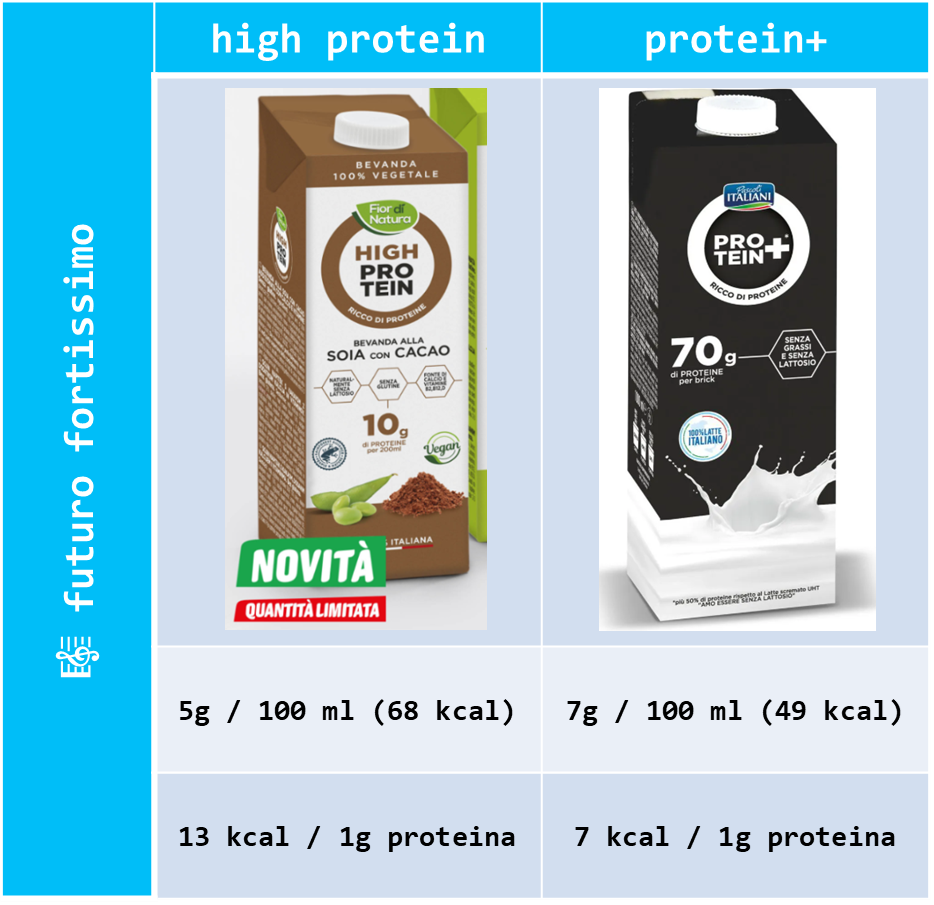
I came across a soy “protein milk”, with “10g of protein” printed in huge letters on the pack.
Knowing typical protein values in milk, those 10g intrigued me. So I read the label and did the maths: for the same amount of protein, the one on the left costs twice the kcal of the one on the right (!).
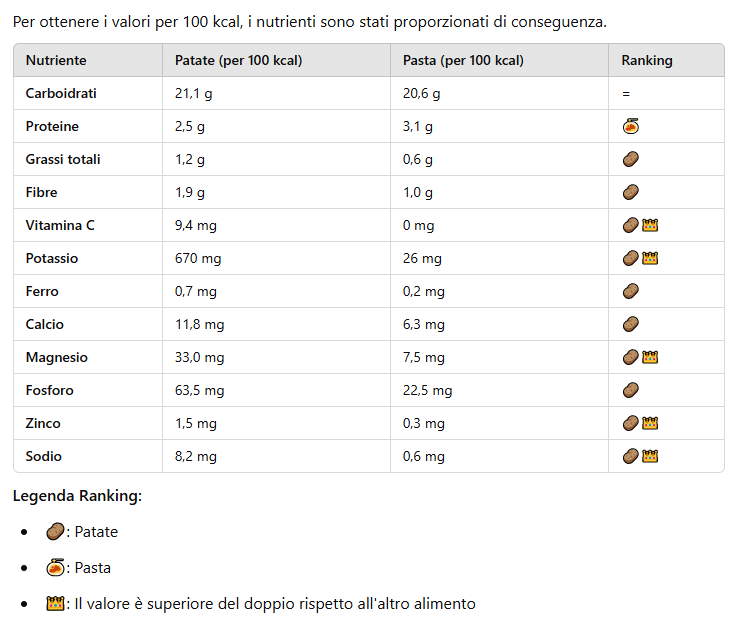
Similarly, after a friend of mine was told to cut potatoes from his diet (which are more filling 🤰🏻 ff.22.4 The most filling foods) but keep the pasta, I created buonGPT.
💎 ff.113.3 A mineral diet?
Substack ↗Swapping potatoes for pasta is debatable, since potatoes have 25x the potassium of pasta, and doubling potassium intake (4300mg/day) lowers the risk of cardiovascular disease by 40%.
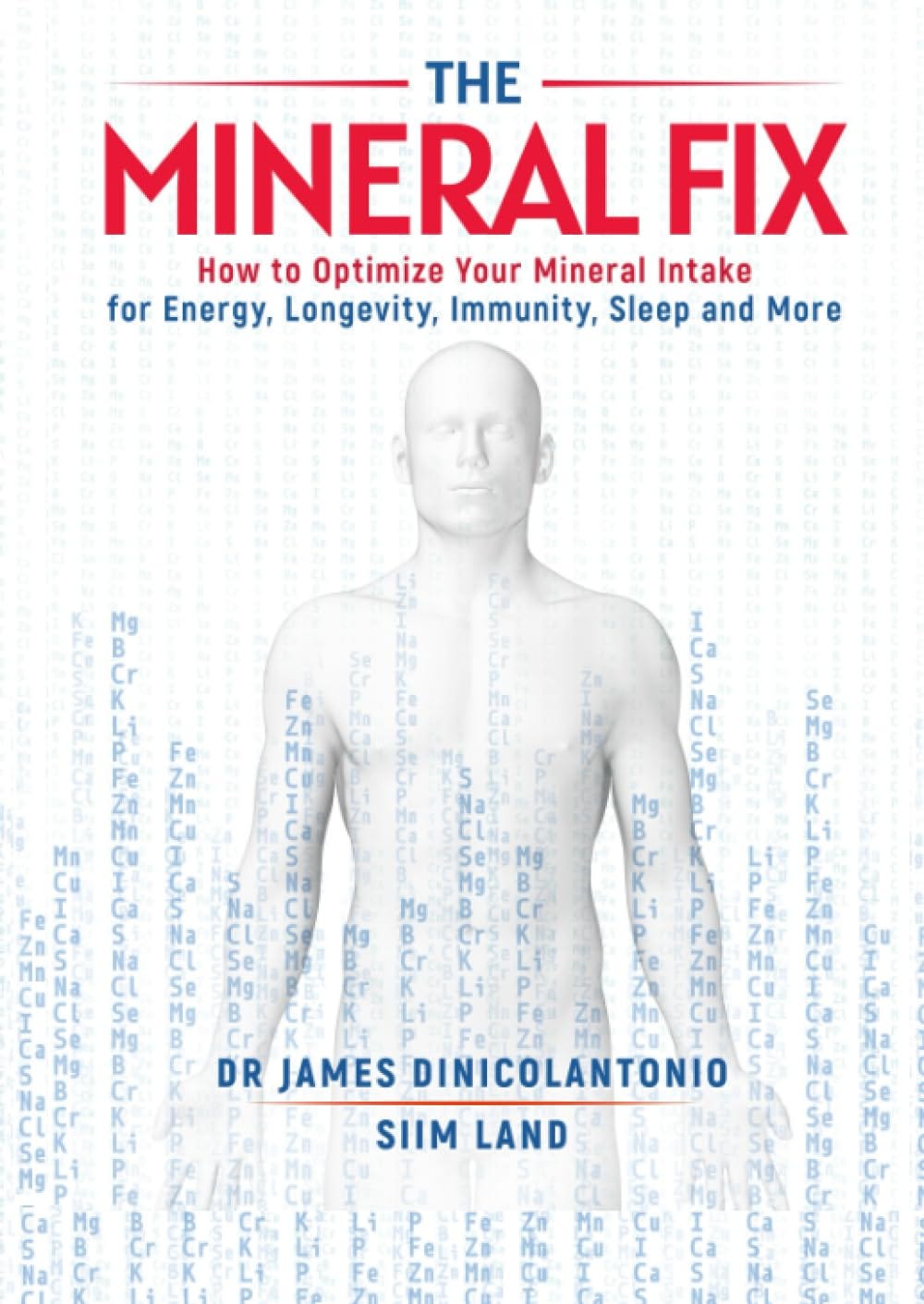
These details pushed me all the way to Mineral Fix, a 1,000-page doorstop on the importance of minerals in food and human physiology.
A quick selection of interesting ideas:
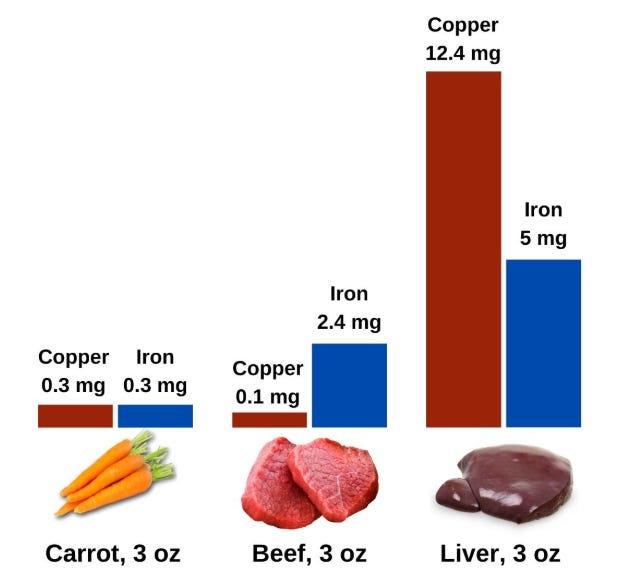
Spa (the one with the Formula 1 circuit) was famous in Roman times for its thermal waters. An acronym of Salut Per Aqua, today's SPAs take their name from it. Too much iron can cause anaemia if not balanced by an adequate amount of copper (we'll come back to this “chemical” idea of ratios and normalising).
To get more copper, we should partly replace “muscle” meat with liver, heart and a vegetarian diet (which has 2x the copper density of an omnivorous one).
➗ ff.113.4 Why ratios matter
Substack ↗The iron/copper ratio (and BuonGPT) are examples of the complexity of our bodies and diets, made intrinsically of chemical reactions.
Which explains why:
Unprocessed foods are key to health, thanks to their balanced internal ratios. Single supplements can backfire, because they upset these natural balances (like putting 1kg of turmeric into 100g of chicken curry)
My favourite “ratios”:
Protein/kcal (for satiety) Sugar/protein (to flatten glucose spikes) Fibre/100kcal (for the microbiome)
And you, what's your relationship with food? Tell me in the comments?
🎶 fortissimo notes archive
☕ virtual coffee
❤️ a little heart below?
👋 See you soon, from micmer
© futuro fortissimo | michele merelli