Futuro Fortissimo Archive
🎼 ff.65 How to stop time
From ever-faster routines to mental exercises for slowing down a moment
Published · Michele Merelli
- Why do the years fly by in a work routine?
- Mental exercises to seize the moment
- Does your heart rate keep time?
🆕 ff.65.1 Time = new experiences?
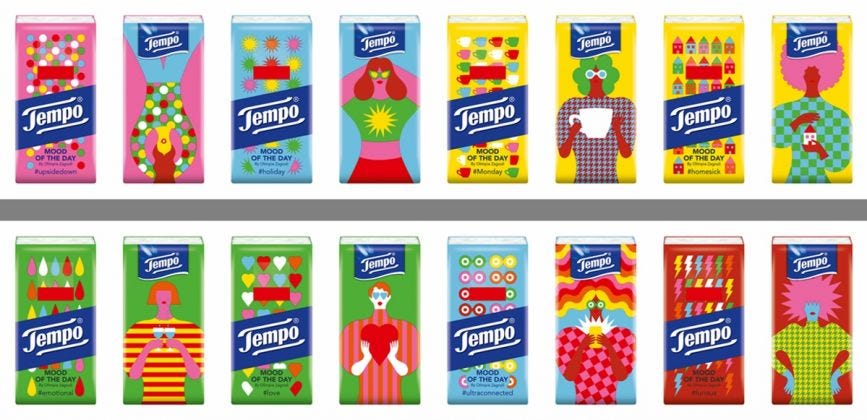
Substack ↗Time. What a lovely topic this one is too. You find it discussed practically everywhere, from philosophy to Jovanotti's pop songs. From theoretical physics to ephemeral tissues for a cold. Ephemeral indeed.
Despite technology (household appliances, hyper-fast internet, instant messaging), we say more and more that we don't have time. Why?
DeltaT. According to one theory, time, rather than an absolute number of seconds, is marked by the amount of change between a before and an after.
The dynamic circle. One experiment along these lines showed that a circle displayed for 500 milliseconds is perceived as shorter if the circle expands/shrinks.
At the same time, as we age, there's less and less novelty, since we've piled up lots of memories and experiences. Without novelty, time seems to go faster.
🌴 ff.65.2 A life on holiday
Substack ↗I don't get it. If we're old, there's less novelty and change, so time passes faster? Doesn't that contradict everything we said about the dynamic circle?
The difference between prospective and retrospective time explains why.
In generale, un periodo riempito di esperienze diverse ed interessanti sembra breve mentre passa, ma lungo quando guardiamo indietro. D'altro canto, un tratto di tempo privo di esperienze sembra lungo mentre passa, ma in retrospettiva breve. William James,The Principles of Psychology(1890)L’attesa di un aereo in ritardo di 5 ore può essere percepita più lunga di tutta una settimana in Grecia, mentre una giornata a Atene vola. Una settimana dal ritorno dal viaggio, però, l’attesa in aereoporto è un brevissimo attimo, mentre il divertimento della vacanza si dilata incredibilmente. Dean Buonomano,Your Brain is a Time Machine
📝 ff.65.3 Homework for life
Substack ↗Freezing moments. To give value to time (and stretch it even when novelty isn't a given), storyteller Matthew Dicks suggests some homework.
Instead of spending two hours in front of the TV, consuming content that goes straight into oblivion, he suggests stopping for 5 minutes to reflect on the day.
Matthew argues that this method, originally introduced to find new stories to tell, is a genuine time machine.
5 minutes → isolated moments of the day → novelty identified → time stretched
❤️ ff.65.4 A matter of the heart?
Substack ↗Il tempo si espande o si blocca in accordo con i movimenti del cuore. Murakami,Kafka sulla spiaggia
London researchers at Royal Holloway University agree with this literary insight. In fact, they showed that a sound seems longer or shorter depending on whether it's perceived during systole or diastole.
The big explainer. Why does time last longer with the heartbeat? Maybe because in its (unconscious) processing of information (internal too), the brain receives more input during systole, building the perception / illusion of faster time.
By the way, did you know a coffee would make my heart speed up a little?
☕ support ff with a fortissimo coffee ☕
🧠 ff.65.5 Or of the brain?
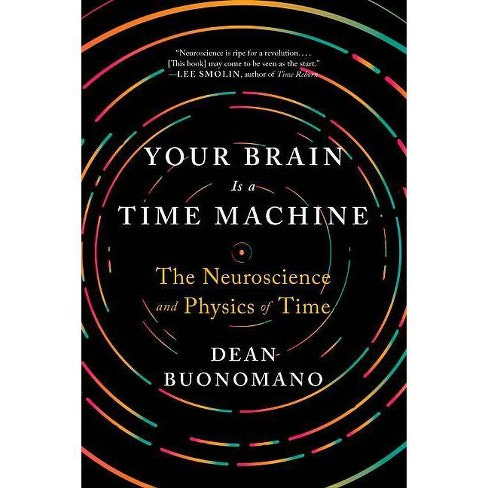
Substack ↗If you want to dig deeper into the topic, Your Brain is a Time Machine by Dean Buonomano.
The brain has to handle various timescales of change: milliseconds (sound), hours (circadian rhythm), all the way to the seasons, to keep the body running properly. So it's not just a Rolex, it's a Swiss Army knife too! Why did time come about? Maybe so we could sing (or speak). To isolate phonemes. An example: in Jimi Hendrix's Purple Haze, the famous line about kissing the sky gets misheard as kissing “this guy”.
And that's all for today. I'm out of time. And I think you are too.
Want to support this project? → Share it with a friend on WhatsApp → Buy me a coffee 😏 → Remember to leave a little heart below.
☕❤️
👋 See you soon, from micmer