Futuro Fortissimo Archive
🎼 ff.97 Let's touch more!
Ever more numb, apathetic and out of touch?
Published · Michele Merelli
- The science behind the benefits of a hug
- Massage therapists: the job of the future?
- Or will a robot replace them?
Themes🏃 Health, sport and body📱 Attention, screens and habits🤖 AI, agents and models
🌐ff.97.1 Ever more alone
Substack ↗Whether it's COVID, social media or because we only think about ourselves, we don't touch each other anymore (let alone have kids, 👵🏻ff.77.1 Is the “traditional family” a thing of the past?).
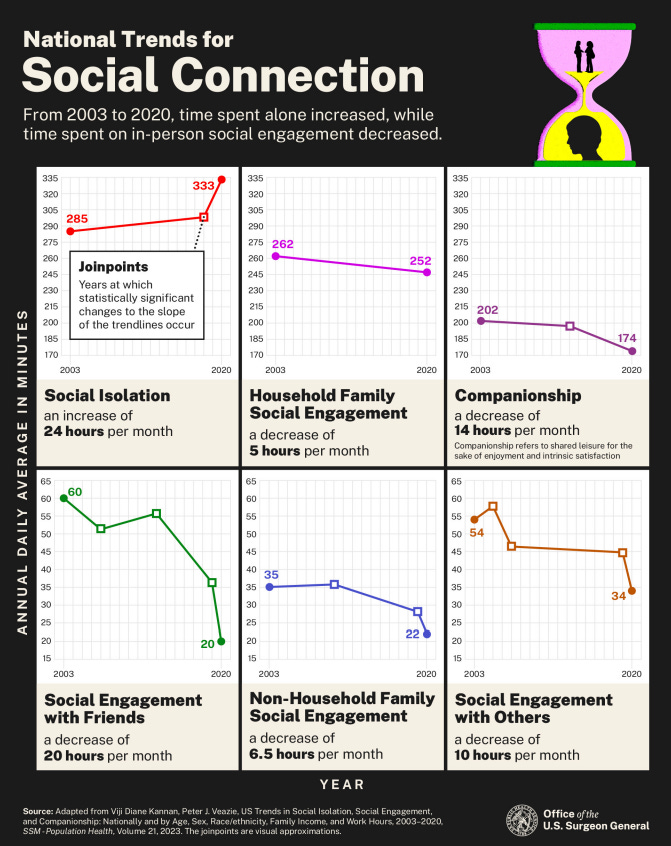
In 20 years loneliness has increased, especially in friendships: we spend only 40 minutes a day with friends, in 2003 it was 2 hours. Men in particular have no close friends.
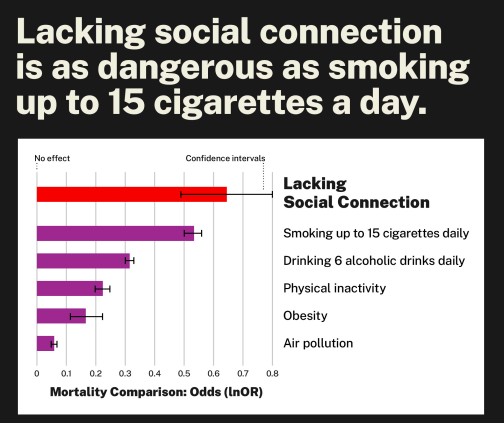
Problems, problems, problems. Without social connections, there's no future (fortissimo). If we're as isolated as Japanese otaku (📙ff.74.2 A short cultural dictionary), our health deteriorates more than from smoking 15 cigarettes a day or drinking 6 alcoholic drinks (!!!).
The issue is so important that even Steve Buscemi has stepped in, to lead the 7th edition of the UnLonely Films Festival.
These and other worrying figures in the 2023 report: Our Epidemic of Loneliness by the Surgeon General's Advisory.
A Gallup poll, however, points out that post-COVID loneliness is decreasing.
🫂ff.97.2 The touch famine
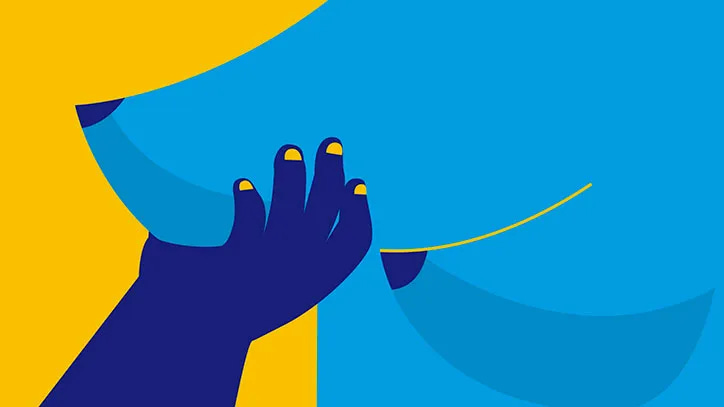
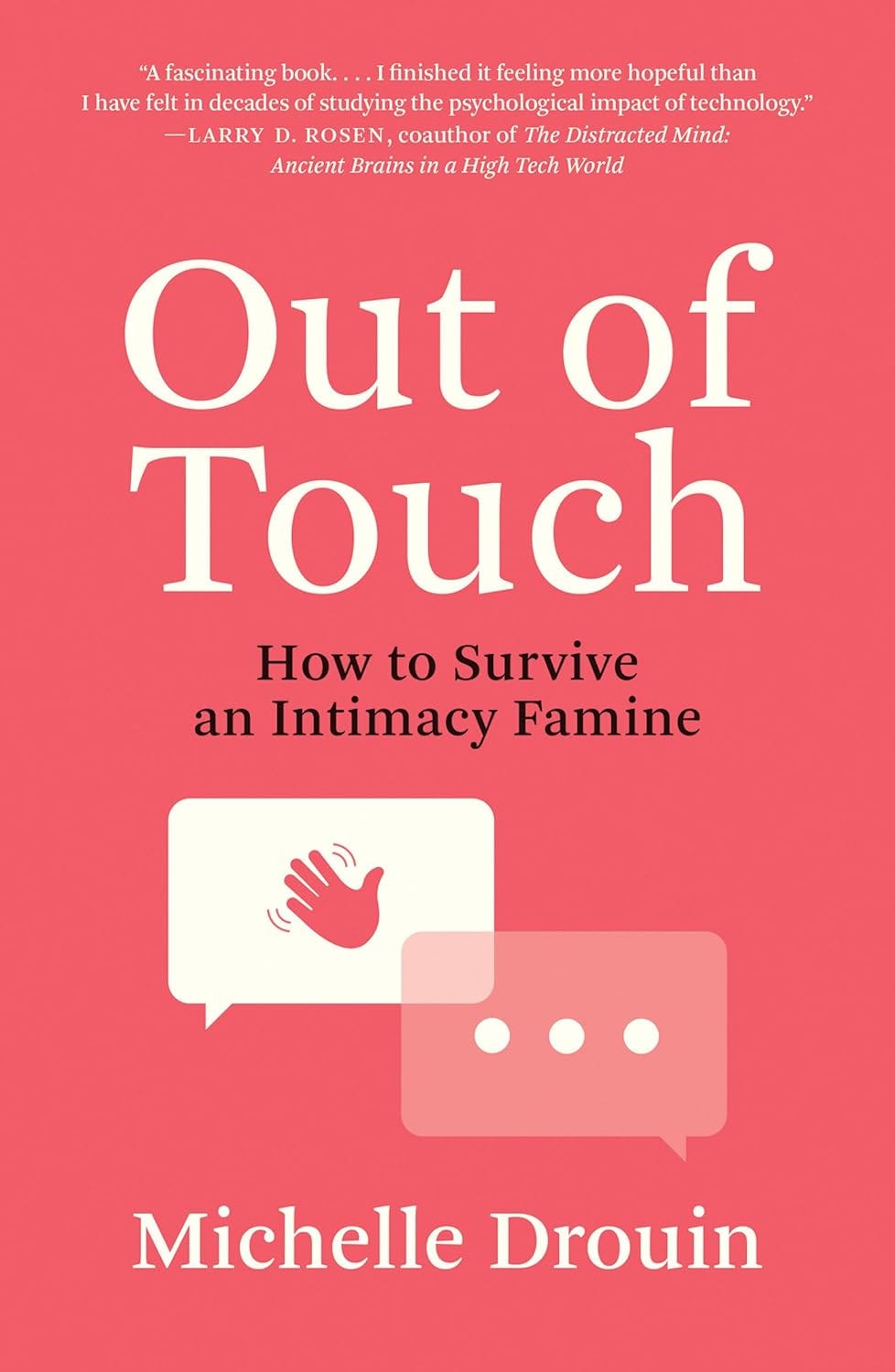
Substack ↗This very “touch famine” is at the heart of Out of Touch by Michelle Drouin, professor of psychology at Indiana University.
Michelle proposes a to-do list of relational (not individual) exercises:
Try to hug or touch someone (even just an animal) for 20 seconds a day. Nurture old relationships and friendships as much as possible, but if they're not reciprocated, look for new ones. Make the most of technology: the phone, but for a call or a personal message. Or use ChatGPT or Replika.AI for a conversation, even a purely introspective, self-analytical one.
This focus on relationships rather than on the individual brings us back to 🔺ff.89.2 Maslow's pyramid 2.0.
🩵ff.97.3 Caresses against stress
Substack ↗Abbracciamoci forte e vogliamoci tanto bene.Fabio Caressa
OK, but let's not wait to win the World Cup again before we hug. Because touch is life. Let's look at the science.
Unlike when we touch inanimate objects, we all squeeze a human being in the same way (at a speed of 5cm/s, the one that stimulates “slow” touch neurons)
Slow neurons and fast neurons. The two types of neurons our skin is equipped with: fast ones to respond to stimuli like pain, slow ones to convey the gentleness of a caress.
Rangan Chatterjee (whom we met in 🦁ff.90.1 Scappare da un leone o una notifica) notes that during childhood a mother's touch promotes stress regulation, because there's a drop in cortisol after a hug.
The physiological response is so innate that, if there's no alternative, even giving yourself a massage works.

🌐ff.97.4 The economy and massage robots
Substack ↗Touch famine, stress epidemic, social isolation and an ageing population: everything suggests that massage therapists will have a fortissimo future.
Of the 10 people surveyed by the AMTA:
6 received a massage in 2023, with an average of 3 a year. 9 think massage should be elevated to clinical therapy. 2 use massage to relieve stress.
The problem? Probably, as with nurses and elderly-care staff, we won't have enough massage therapists to meet all the demand.
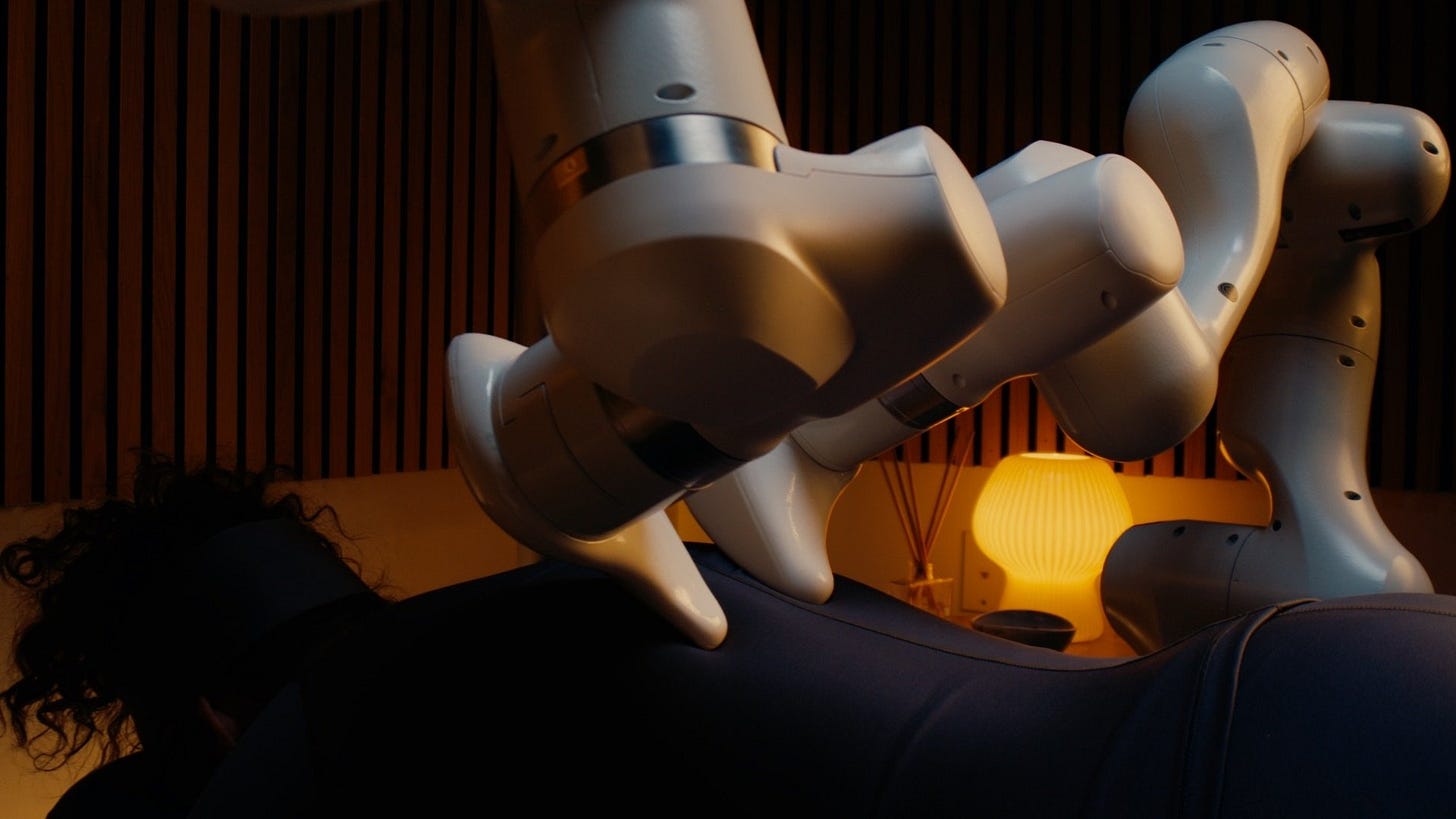
Enter Aescape: the massage robot.
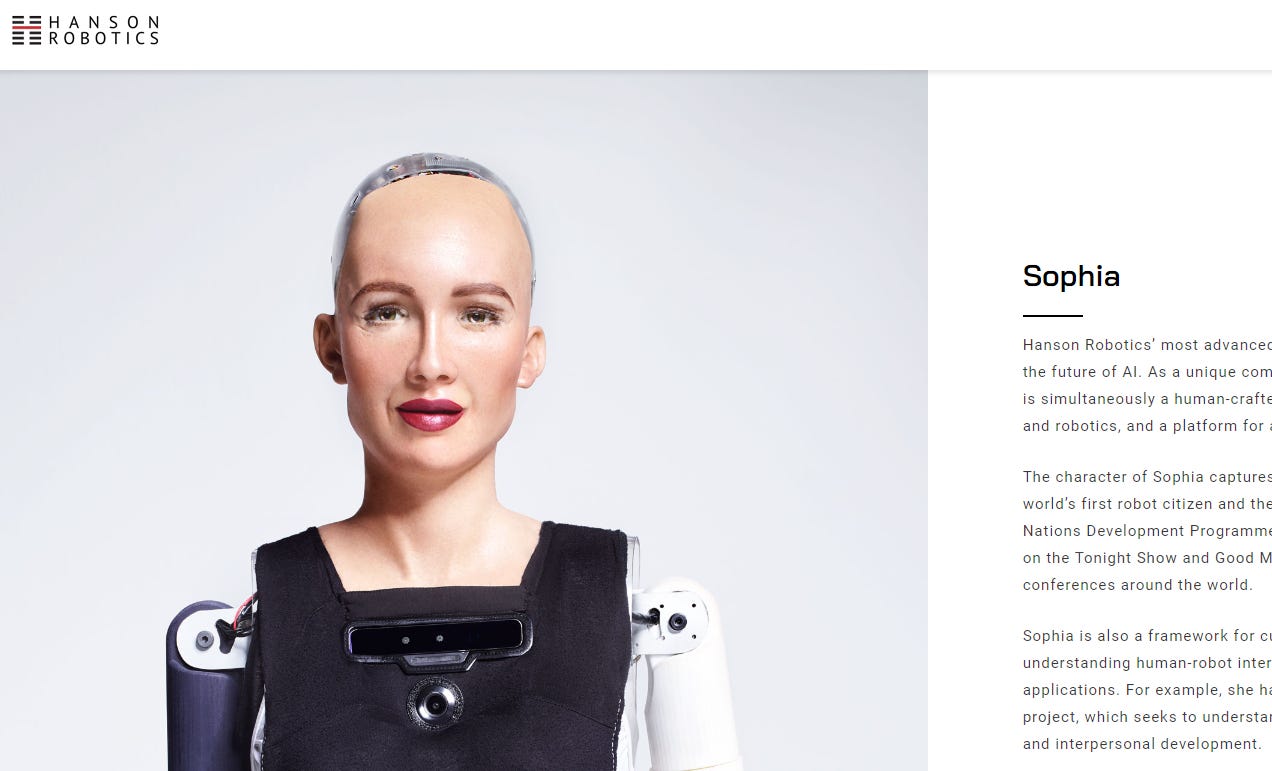
And with robots we close a nice loop today too: Professor Drouin, sceptical about the role of technology against loneliness, changed her mind after meeting Sophia, the Hanson Robotics robot.
And that's all for today. I'm off for a little self-touch.
🎶 search the futuro fortissimo links
☕ support with a virtual coffee
would you leave a little heart below? ❤️❤️❤️
👋 until next time, from micmer