Futuro Fortissimo Archive
🎼 ff.108 An ode to routine
Every day can be a “Perfect Day”
Published · Michele Merelli
- How to survive the monotony of the ordinary?
- Cleaning Tokyo's toilets: a perfect day?
- The link between Pascoli and the Tao
🪣 ff.108.1 What's your Perfect Day?
Substack ↗Today, a "dialectical" reflection, exploring the contradictions I face every day and in which, perhaps, many of you will recognise yourselves.
Whether it's COVID, a society obsessed with optimisation or the algorithms that increasingly run our lives, I live by ever more rigid, pre-set routines.
Figures like Bryan Johnson (and his "Don't Die" project, with standardised protocols for food and lifestyle choices) or Sahil Bloom, an entrepreneur the algorithms constantly recommend to me, push this message:
The boredom of routine is a tax on long-term success. All the successful people around me share one thing: they are really, really boring. We notice and envy their success, the gala dinners, the endless events and holidays. The reality hidden behind it all: long stretches of extreme discipline and boredom. Sahil Bloom, The Taxes of Life You Need to Pay
But does routine have to be boring? Or can every day be a perfect day?
👶 ff.108.2 Through the eyes of the inner child
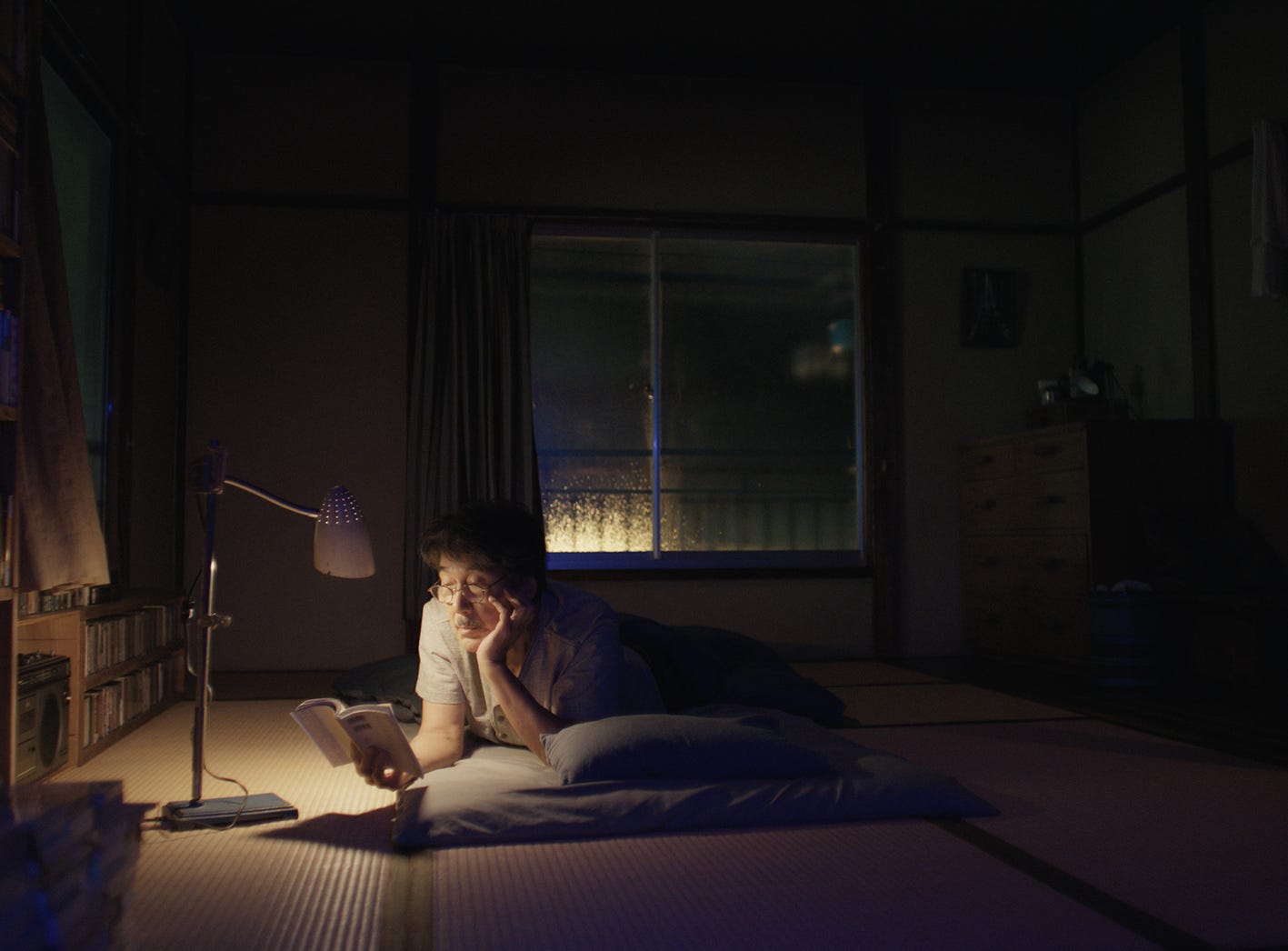
Substack ↗In Wim Wenders's film Perfect Days (2023), the protagonist, Hirayama, finds novelty in the changing leaves on the trees, in the play of morning light, in the small variations of his methodical life cleaning Tokyo's public toilets.
Finding wonder in small things: a flight of fancy back to secondary school and Pascoli's Poetics of the little child:
There is a little child inside us […] Whoever thinks about it carefully understands that it is the poetic feeling that makes the shepherd content with his hut, the petty bourgeois with his little furnished flat, even if furnished without good taste Giovanni Pascoli, Il fanciullino
A little child who creates poetry in the simple, the ordinary; like a plough abandoned in an autumn field.
In the field, half grey and half black, a plough remains without oxen, which seems forgotten, amid the light mist. Giovanni Pascoli, Lavandare
☯️ ff.108.3 Be water
Substack ↗One element of variation in the film is the books the protagonist reads.
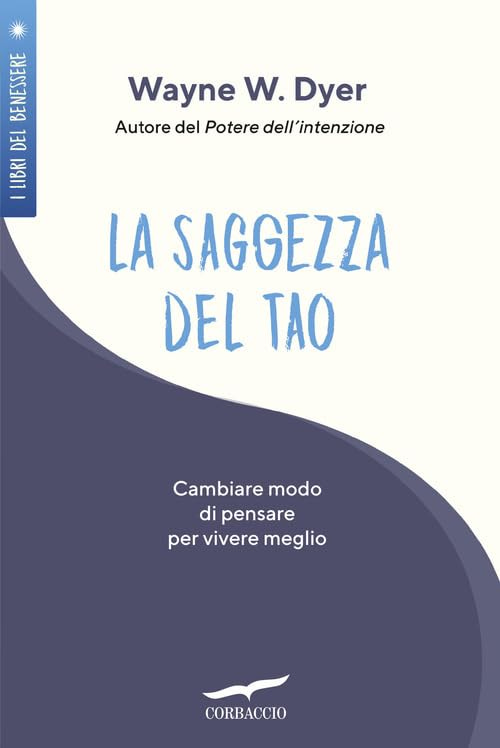
In one of the latest books that have marked my own daily life, Change Your Thoughts – Change Your Life, I found an illuminating answer to the method-versus-creativity conflict.
Wayne Dyer, analysing Taoist philosophy, offers the analogy of water. It does only one thing: it falls by gravity. It seeks the low ground, with a unique humility. And yet, without meaning to, it quenches thirst, waters plants, lets us ski and produces hydroelectric power.
In short, it sustains life. Without knowing what life is.
Wu-Wei? Water generates without any intention: a concept that extends to the whole Tao. To the universe. To ourselves. We must dissolve and flow, without the ego imposing itself, without goals or forcing.
Like children who haven't yet adapted to cultural and social expectations, showing their most spontaneous selves. […] When being was unaware of its ego-being. Wayne Dyer, Change Your Thoughts – Change Your Life
Pascoli's little child, again.

🚽 ff.108.4 Art in the toilets
Substack ↗Tao = Creation (and creativity). The book also speaks of a mysterious force, feminine, creative; mother of novelty. It's up to us to notice it.
It's what, in 🎤 ff.101.1 Adele's manager, Rick Rubin calls "the creative act of noticing".
So in Perfect Days the protagonist invites us to see the romance and the art in Tokyo's public toilets.
The link to Fountain, Duchamp's ready-made, is immediate. If Pascoli's little child spots poetry in an abandoned plough, Duchamp forces us to reconsider everyday objects, transformed by attention.
So, routine or no routine? It's the same question that closes the film Perfect Days, in a long single take that captures the protagonist's conflicted emotions, alternating smiles and gazes lost in the void.
And that's all for today.
🎶 fortissimo notes archive
☕ virtual coffee
❤️ a little heart below?
👋 See you soon, from micmer
© futuro fortissimo | michele merelli