Futuro Fortissimo Archive
🎼 ff.78 Digital psychologist
Mental health: books, Netflix and finance?
Published · Michele Merelli
- Should school prepare us better?
- The Netflix documentary (and it's not Sex Education)
- From Heraclitus to today: constant change
Themes🎨 Culture, books and art🤖 AI, agents and models🏃 Health, sport and body
👨🏫ff.78.1 A school for life?
Substack ↗Let's face it, school curricula are more and more a thing of the past: years memorising names, dates and poems that we now pull up with Google and AI. As if that weren't enough, students keep getting worse at maths and reading, AI keeps getting better.
But that's fine. Maybe these benchmarks are a thing of the past too. And I wouldn't worry that we'll stop writing code; after all, nobody today complains about not doing 4875 x 29 with pen and paper.
Physical education, not mental. In 13 years at school desks, topics like emotional education and wellbeing are non-existent or handled superficially, for example:
the idea that wrong thoughts can be fixed by thinking about something else (when it increasingly seems we need to act, to respond with the body); the idea that “feeling that we feel” emotions, being aware of them, is the starting point for changing them (when in fact we need to be able to give them a name)
No wonder digital psychologists (on ChatGPT too) and Netflix content are trying to fill this immense emotional void inside us.

👥ff.78.2 Stutz's shadow
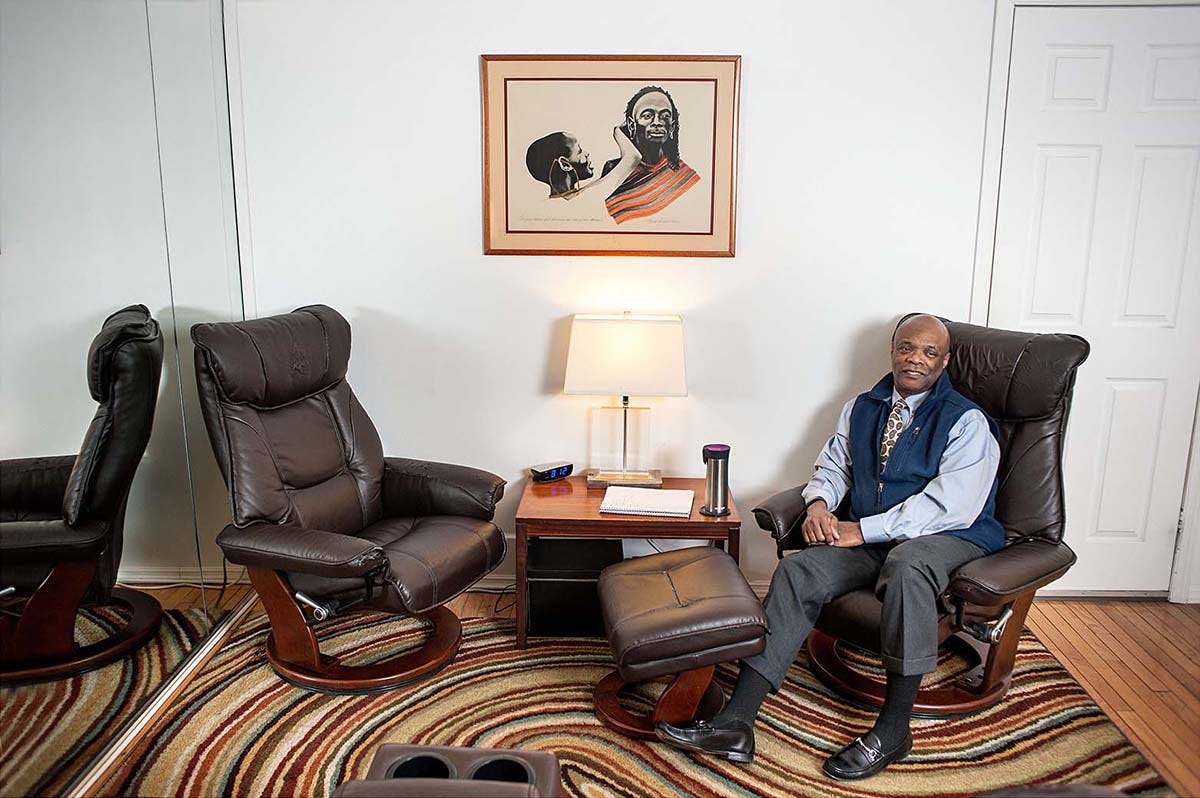
Substack ↗Breaking the theatrical “fourth wall” several times, director Jonah Hill brought his sessions with psychotherapist Phil Stutz to Netflix.
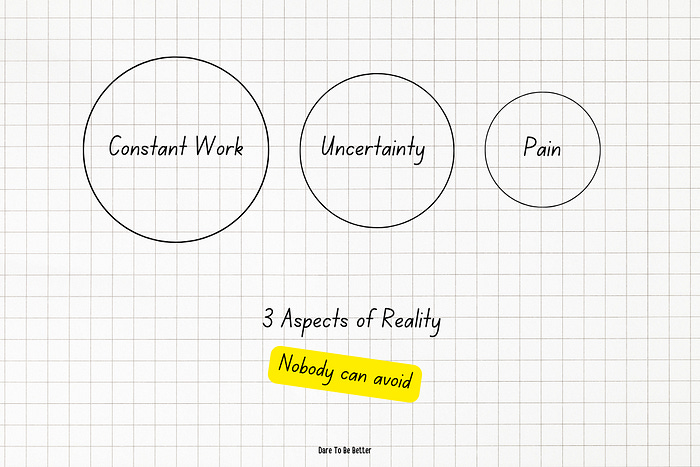
Stutz starts from accepting the inevitability of work, uncertainty and pain. We can't escape physical entropy (that one, yes, we did learn at school).
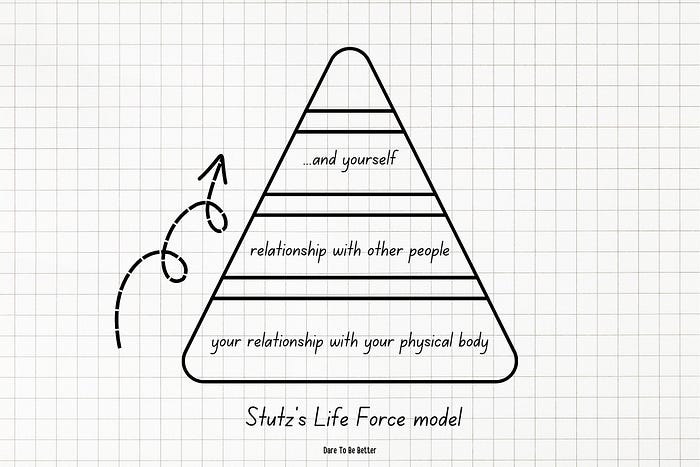
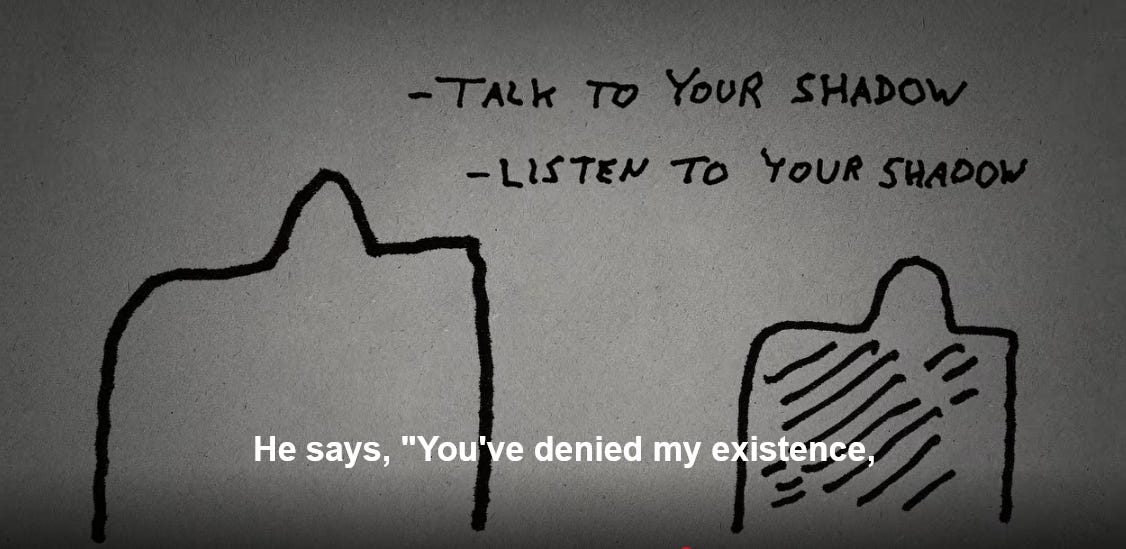
With sketches and drawings, he invites us to depict the problem, giving it a shape, a name. That's where the solution begins (literally, by solving it).
Corpore sano → Mens sana. Among these drawings, the pyramid of life forces. It has a physiological base, starting from the body's wellbeing.
Finally, the concept of the shadow: the past self we're ashamed of and hide from others. Stutz asks us to talk to our shadow, apologising to it and acknowledging its influence on our present insecurities.
🏞️ff.78.3 Pánta rheî
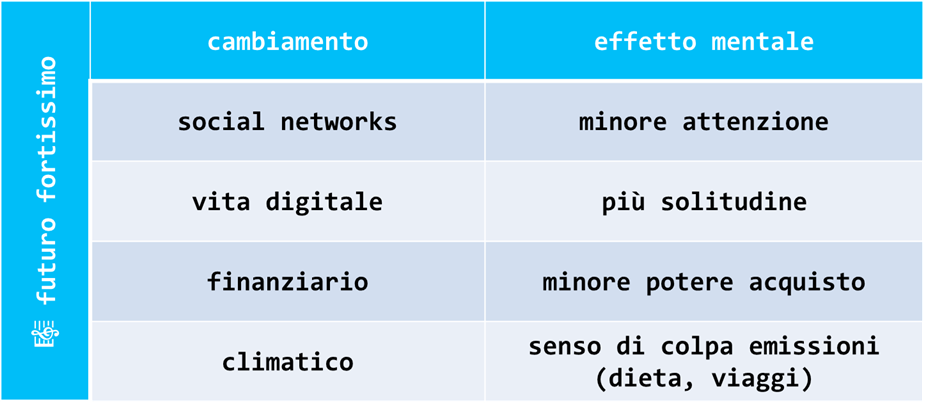
Substack ↗Anyway, even if we take it philosophically (Heraclitus-style), we don't like change. Around us, though, it's happening more and more often:
📚ff.78.4 Reading, lightly
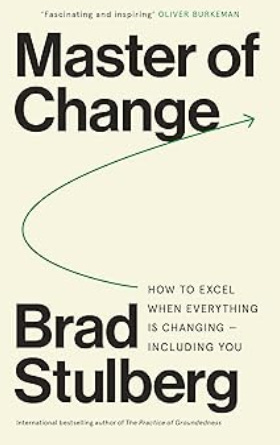
Substack ↗How can we accept change? With a book by Brad Stulberg (whom we met in 🎁 ff.68.4) maybe? After all, reading can be psychotherapy too.
In Master of Change, Heraclitus' idea of the river is expanded:
Just as water molecules will never be in the same spot again, the riverbanks too are eroded and constantly changing. The riverbed, though, tends to stay the same. In the same way, we all need to set a limited number of values (3-5) on which to base a dynamic resistance to change. These values must be diversified. We need several sides, several independent interests. Depending on the “seasons” or the “rainfall” of a given period of life, we'll switch them on like so many streams. By identifying with what we believe in, rather than what we own, we're less fragile in the face of external events (which can take away relationships, health, money).
🗣️ff.78.5 My personal take
Substack ↗A concrete example. Two of my values are sport and financial independence. They guide my everyday choices. When I do things that feed these values, I feel good.
What's more, specific values teach general rules of life, of existing. For example:
improvement also comes from the dips (the rest day without training); it's important to stay in the game (surviving a black swan event or a cramp at the least expected moment); progress is invisible (you can't see muscle growth after a single workout)
a little heart below is good for my mental health ❤️
past issues | discord | instagram | linkedin | a coffee