Futuro Fortissimo Archive
🎼 ff.134 Naming things
The value of words, between humanity and ChatGPT
Published · Michele Merelli
- Why put a name to emotions?
- Beauty is in the eye: Japan's 72 seasons
- Alien languages and words?
Themes🤖 AI, agents and models
🗣️ ff.134.1 Words, words, words…
Substack ↗The relationship between thought, words and the building of the world fascinates me, especially since language models like ChatGPT made this connection even tighter (🧠ff.83.3 Language and thought).
1.1 The world is the totality of facts, not of things. 2.1 We picture facts to ourselves. 3. A logical picture of facts is a thought. Ludwig Wittgenstein, Tractatus Logico-Philosophicus
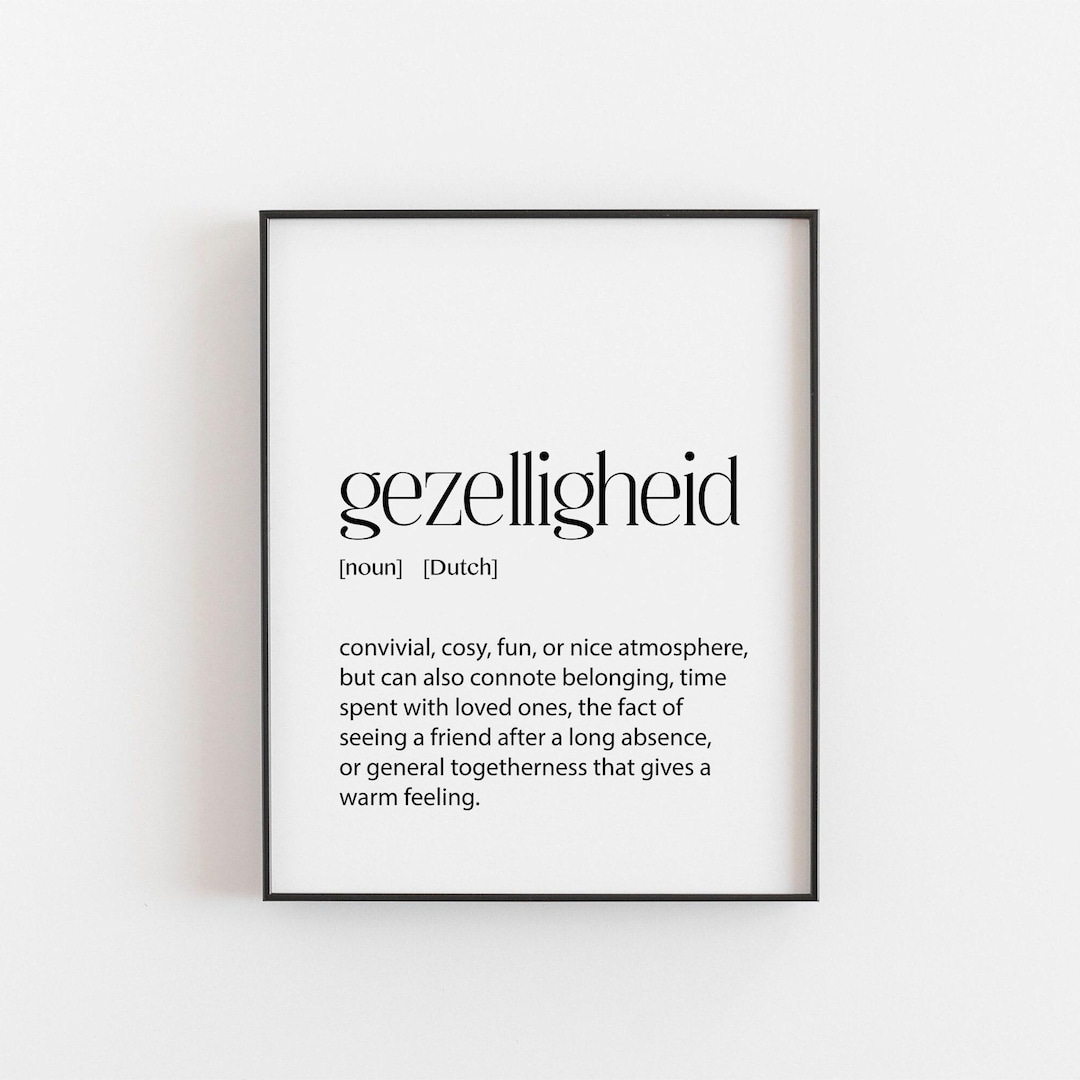
Thought (and Language) are therefore a picture of the World. So much so that some words exist only in some languages, in some Worlds: only on gloomy, cold Dutch evenings can you truly feel gezelligheid.
Other unique, untranslatable words: 別腹 betsubara, the Japanese “dessert stomach”.

😭 ff.134.2 Naming emotions
Substack ↗Words also help us identify another world: the one each of us carries inside, condensed into emotions.
These, according to neuroscientist Lisa Feldman Barrett, are simulations created by the brain to integrate various subconscious, visceral signals: heartbeat, temperature and other interoceptive signals (🥇 ff.128.1 Mental (Olympic) games).
Naming emotions is essential to getting past the blocks we impose on ourselves: before a race or an exam anxiety rises, but often it's just a shade of excitement, fuelled by the adrenaline of waiting for a big event.
Marc Brackett (founder of the Yale Center for Emotional Intelligence) follows exactly this line, with a guide to understanding and harnessing emotions: Dealing with Feeling: Harness Your Emotions to Create the Life You Want.
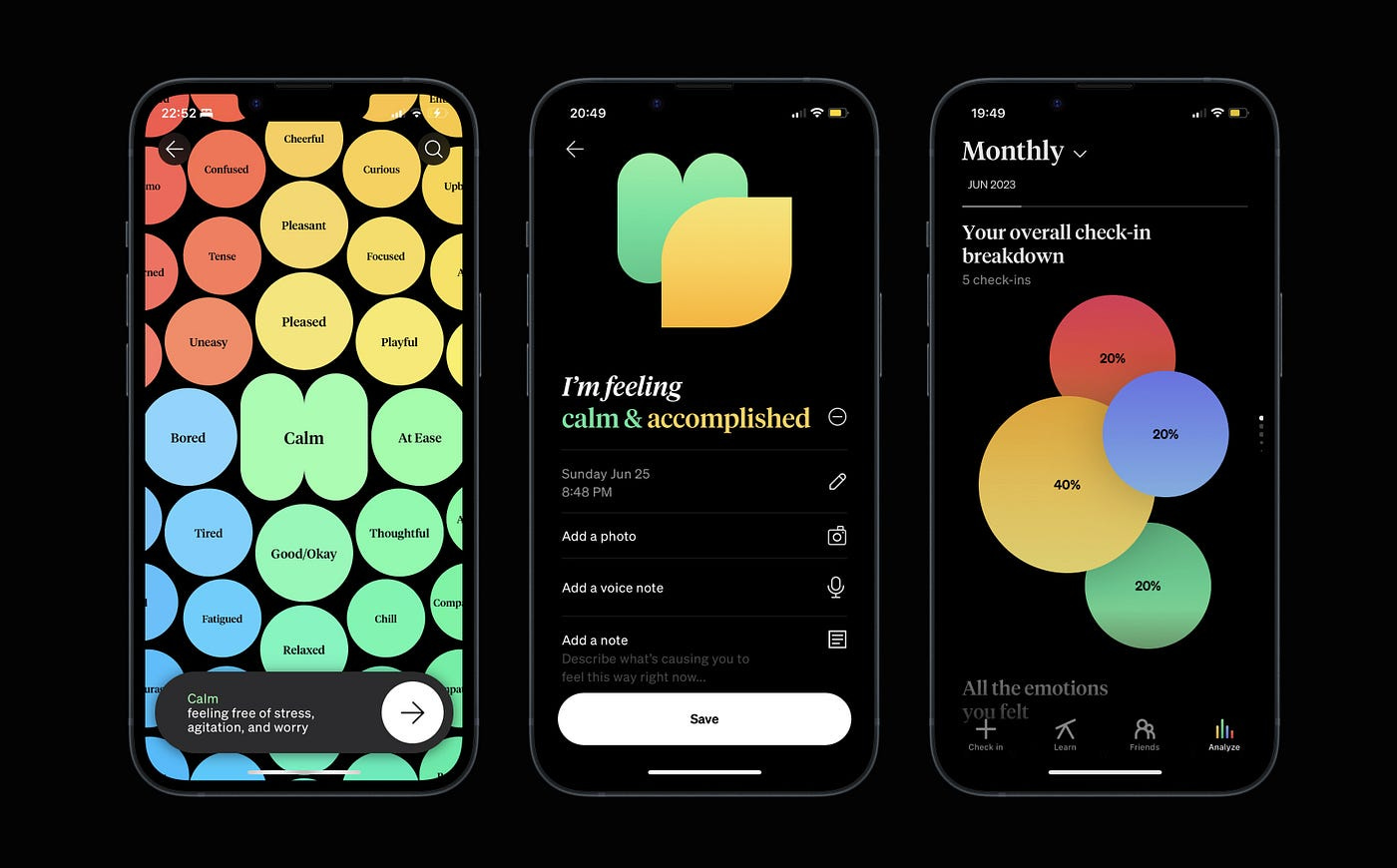
Meanwhile, the founder of Pinterest has created an app, How We Feel, a real “Pokédex for emotions”.
❄️ ff.134.3 Japan's 72 seasons
Substack ↗A while ago we talked about how to stop time: by noticing the novelty each day offers (🎼 ff.65 How to stop time).
A ray of sunlight filtering through trees or a particular juxtaposition of colours can hide the Perfect Day (👶 ff.108.2 Through the eyes of the inner child).
These very “child's eyes” can take us from the lazy “there are no in-between seasons any more” to seeing seventy-two of them, as in Japan:
白露 (Hakuro): the “white” dew glistens 08 – 12 September 土潤溽暑 (Tsuchi uruōte mushi atsushi): damp earth, sticky heat 29 July – 2 August 魚上氷 (Uo kōri o izuru): fish peek out from the ice 14 – 18 February

🦴 ff.134.4 Humanity to the bone
Substack ↗This feeling-and-defining is what we have left, in a World of “thinking outsourced to GPT”:
A purely disembodied human emotion is a nonentity. William James, What Is an Emotion? (1884)
And if the digital world is already changing the meaning of certain words - “to scale a startup”, we “scale” startups instead of mountains - then to resist disembodiment we need to reattach ourselves to words, the link between Thought and World.
Bonus. Is it a coincidence that Michaell McAfee's video for Max Cooper's I Am in a Church in Gravesend, Listening to Old Vinyl and Drinking Coffee is a river of words springing from this very particular experience?
🎶 fortissimo notes archive
👋 See you soon, from micmer
© futuro fortissimo | michele merelli