Futuro Fortissimo Archive
🎼 ff.137 Happy degrowth?
A guide to accepting a worse future
Published · Michele Merelli
- What to do if growth stops?
- Bach or Darwin: who was more depressed?
- Fluid or crystallised knowledge?
Themes📱 Attention, screens and habits🎨 Culture, books and art🏃 Health, sport and body
⛰️ ff.137.1 The orography of a descent
Substack ↗We often compare a project to climbing a mountain. The summit - the ultimate goal - must always be clearly in sight, but your attention should go to the views and the thoughts you gather on the way up.
Processes (every step) rather than goals (the summit), in short, just like my first IRONMAN (🎼 ff.133 Am I an Ironman?).
But what if the process isn't enough? Once at the top, leaving the breathtaking view behind and heading down is hard. Brutally hard. How do you survive this “depression” without throwing yourself off the first cliff?
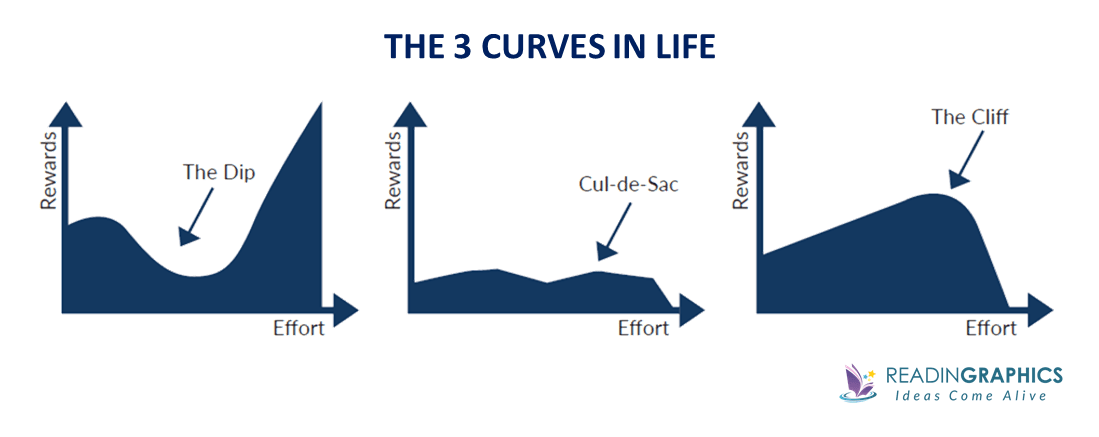
Seth Godin and life's descents, to work out whether it's worth carrying on:
The Dip, a temporary slump. Most people quit; the best emerge by getting through the down and staying true to the process. Cul-de-Sac, an illusory climb. Growing efforts at best maintain what you've achieved. The Cliff, a true precipice. More effort only makes things worse.
But, as we'll see, sometimes quitting isn't an option. Life, survival, is entropically stasis or decay towards “worse”.
Or, as we'll see, the secret lies in controlling what we put on the y-axis. How we define the reward.
🏆 ff.137.2 Entropic peaks
Substack ↗Back to the peak. Arthur Brooks, in a famous article in The Atlantic (2019), explains the growing depression of the “greats”: the principle of psychoprofessional gravitation. The higher you climb, the harder it is to walk away.
I'm talking about Olympic athletes in extraordinary shape, actors earning 1 million per episode or forgotten ex-YouTubers (count me in, with 50,000 subscribers in 2013).
Actually, I'm talking about all of us, whatever height we've reached.
Brooks gives his own personal (and musical) example: one day “you wake up and you can't play the horn as fluently any more”.
And there's more: staying at the level you've reached gets harder and harder. In short, we age, entropy wins. How do we accept it?

💎 ff.137.3 Crystals and Bach
Substack ↗One cure is the psychology of Raymond Cattell and his two forms of intelligence:
fluid: the kind that solves new problems creatively (the young people who found the most startups). crystallised: the kind that distils and teaches future generations (historians peaking at 60).
Does Darwin evolve into Bach? Brooks again tells how Darwin, after an innovative youth, ended up in depressed inactivity. Bach, on the other hand, despite being showered with success when young, managed to overcome it by teaching.
So, as we age, we need to crystallise life experiences. Give them value through memory (📈 ff.111.4 Experiences = investments), sharing, teaching.
📈 ff.137.4 The philosophy of accumulation
Substack ↗Crystals (not meth) save us from modern fluidity.
Crystals, of all things - which, physically and chemically, are an example of stability against entropic chaos.
Crystals that become ever more precious, even with a little growth or by simply staying stable over time.
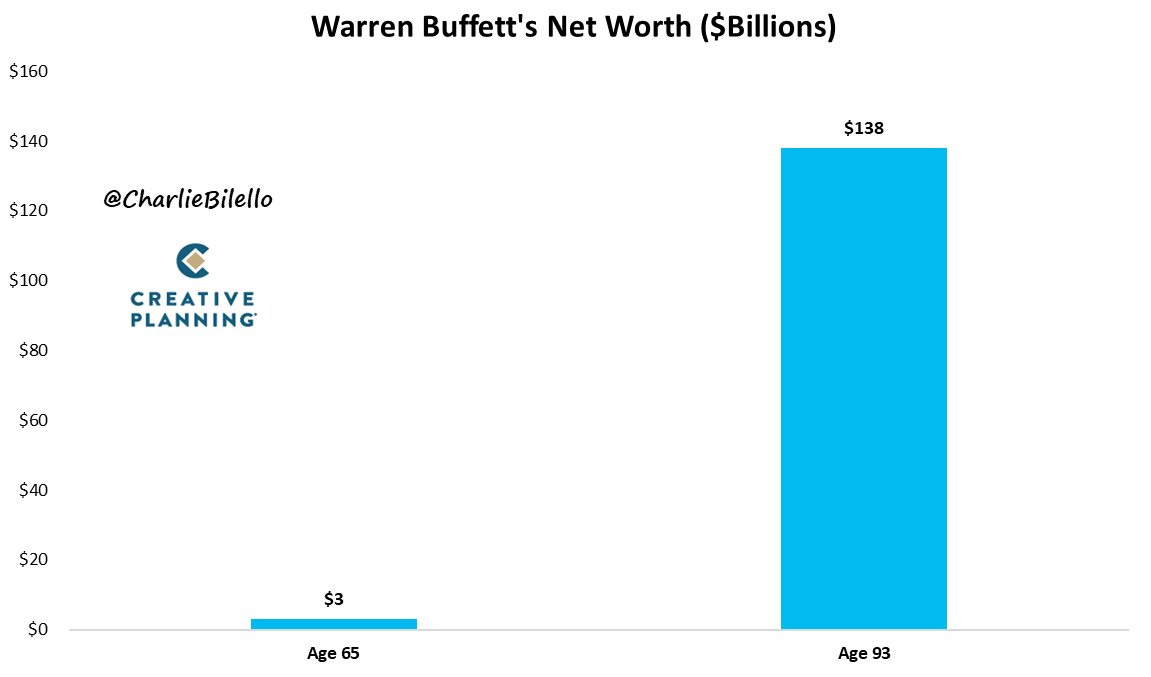
Crystals that accumulate “history”, in compounding, which is very tangible in finance, as in Warren Buffett's bank account:
Money aside, in every field we need to be “historians of our own lives”: building good habits for years - sport, a healthy diet - has to be perceived as continuous growth.
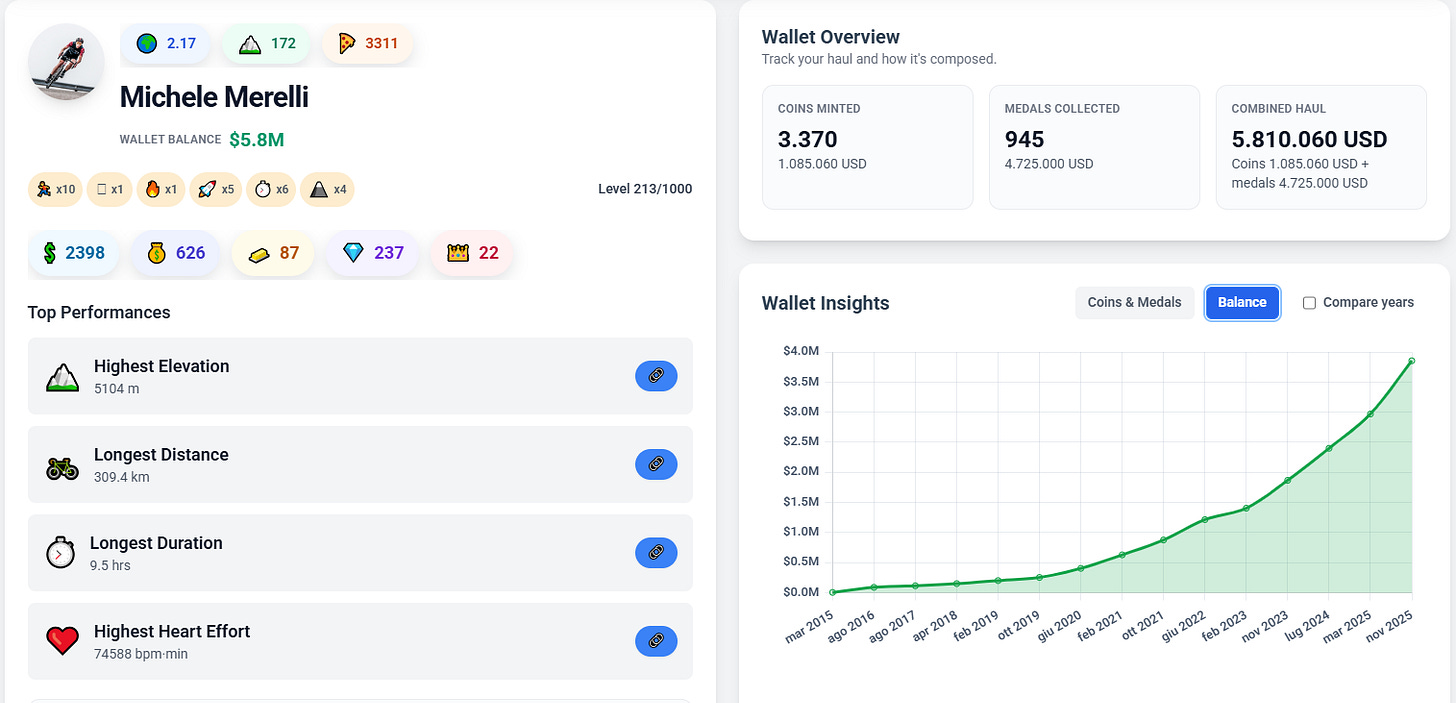
To remind myself, I created League of Strava, a dashboard that turns kcal and years of sport into something tangible.
Like Buffett's account, but in buffets of pizzas eaten and health “earned”.
The short film Hag by Anna Ginsburg: re-evaluating the aesthetics of women after their “peak”, beyond the “old witch” cliché.
hagiverse A post shared by @hagiverse