Futuro Fortissimo Archive
🎼 ff.151 Imagine, you can!
Simulating smells, generating the web live and other Paprika
Published · Michele Merelli
- Prophetic: a headset with a whiff of DC Mini
- Smelling the flowers in Minecraft?
- Flipbook: everything everywhere all at generated
Themes🤖 AI, agents and models🎨 Culture, books and art📱 Attention, screens and habits
🐸 ff.151.1 Toads that eat cardboard
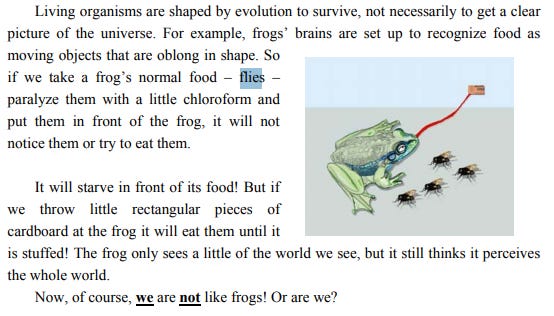
Substack ↗Some neuroscientific theories say that the reality out there is entirely a construction of the brain. After all, if you think about it, it's a cluster of neurons and water shut inside a skull, trying to make sense of the various electrical stimuli reaching it. It tries to build a reality that sometimes runs against reality itself: a toad (speak of the devil, I'd say, 🤴ff.105.1 Turning a frog into Prince Charming? ) won't eat a fly if it has been paralysed with chloroform. Since it doesn't move, it doesn't look “elongated” by the movement of its wings, and so it isn't “seen” as food. At least, in the simulation inside the animal's brain. Here again is the thin line between real, imagined, dreamed and generated.
🌶️ ff.151.2 Prophetic Paprika
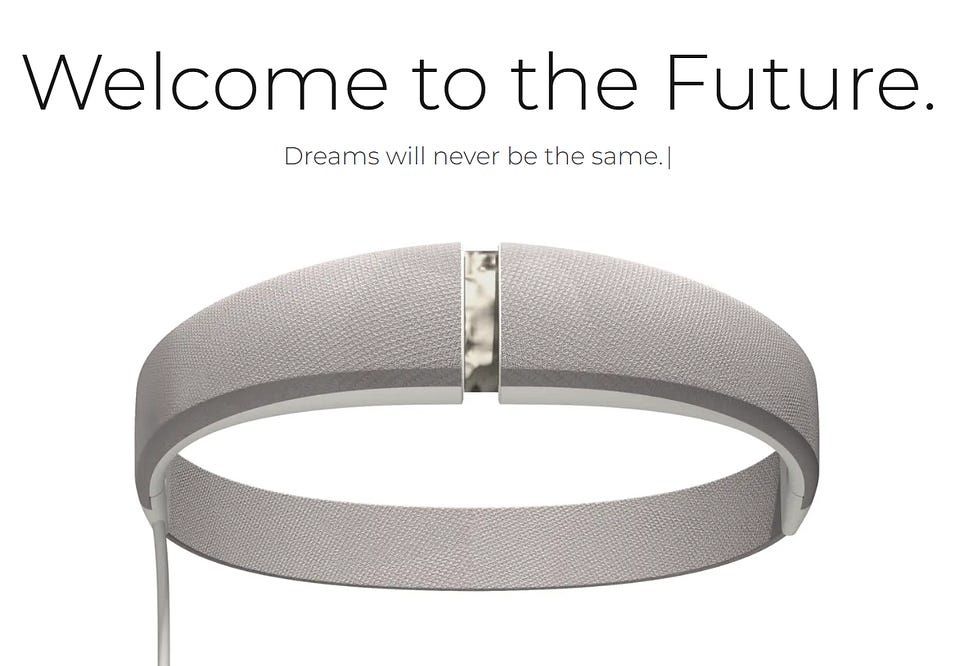
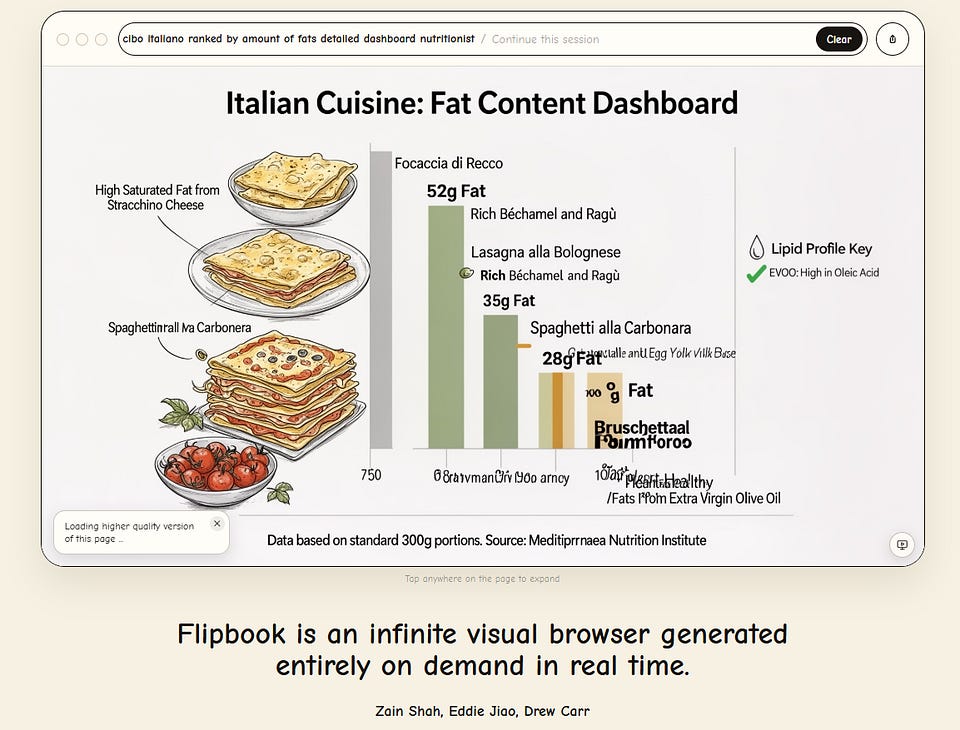
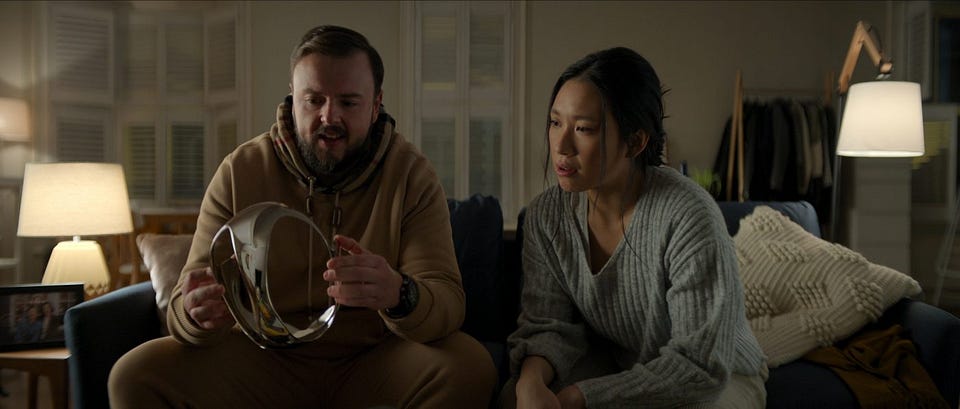
Substack ↗It's a theme close to our hearts. Dreams, another kind of mental simulation, feed this confusion, as we saw in 🎼 ff.118 Paprika and massages. In the film Paprika, a device, the DC Mini, made it possible for the first time to control a patient's dreams (or reality?). The DC Mini is real today: if back in 2016 the technological feasibility of a similar device had been shown ( Nature paper on ultrasound stimulation to make a patient “see” ), today Prophetic sells it. Dreams will never be the same, for under €500. The DC Mini, though, was - at the dawn of the Internet, in 2006, when the film came out - a metaphor for the soon-to-be-infinite parallel realities generated online. That trend continues today with flipbook.page, which generates any web page live. Imprecise? Yes. But it's the word live that deserves underlining. Soon we'll be able to create, “by remote control”, a personalised video interface, if not a fully explorable reality. Ring a bell? Hint: 🦊 ff.98.3 Sister moon, and the canticle of the nine-tailed creatures.
👃 ff.151.3 Smelling Minecraft?
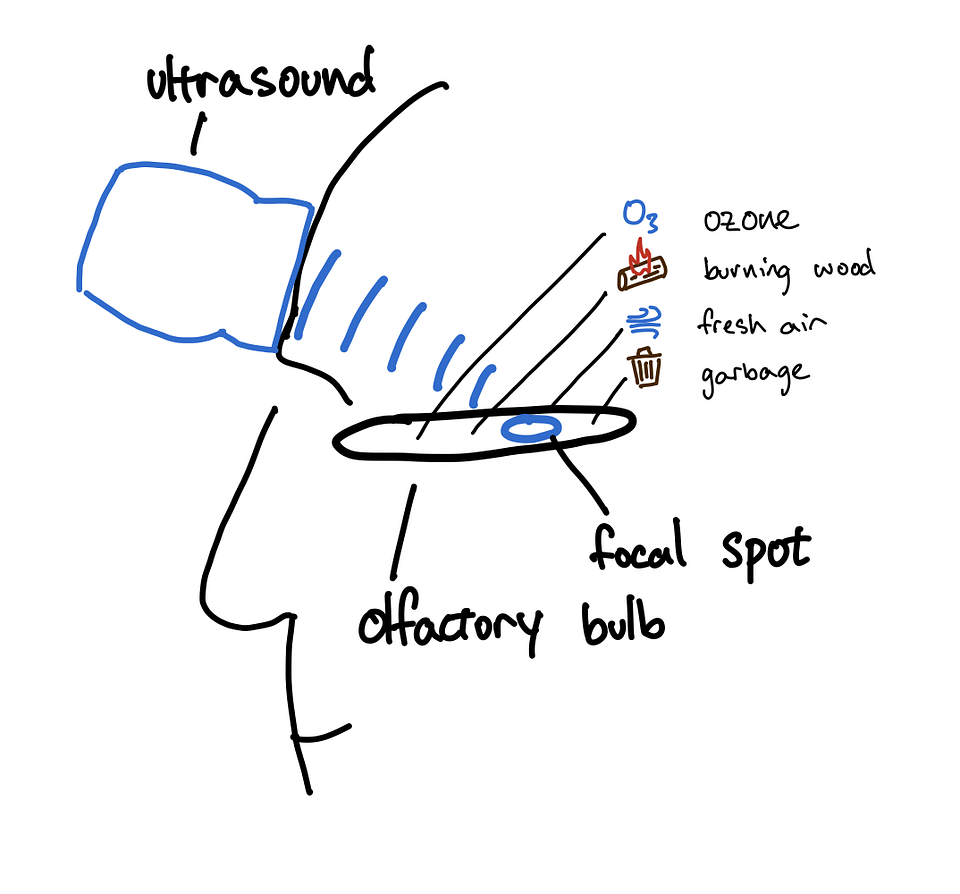
Substack ↗Speaking of mental stimulation (and illusions), let's go back to video games for a triple somersault of real/recreated/physical/digital. Reality (COVID) had entered the digital world when we saw Minecraft characters “out of breath”. It was a project to raise awareness of the virus's effects on the lungs ( 🫁 ff.76.3 And the physical effects ). Today we see the opposite: the scent of Minecraft's fake flowers recreated with ultrasound waves: Caltech's Smell Simulator. BONUS. Speaking of smell, but with a more down-to-earth study, dogs can sniff out tumours. In India, at least.
🧠 ff.151.4 More “mind” companies
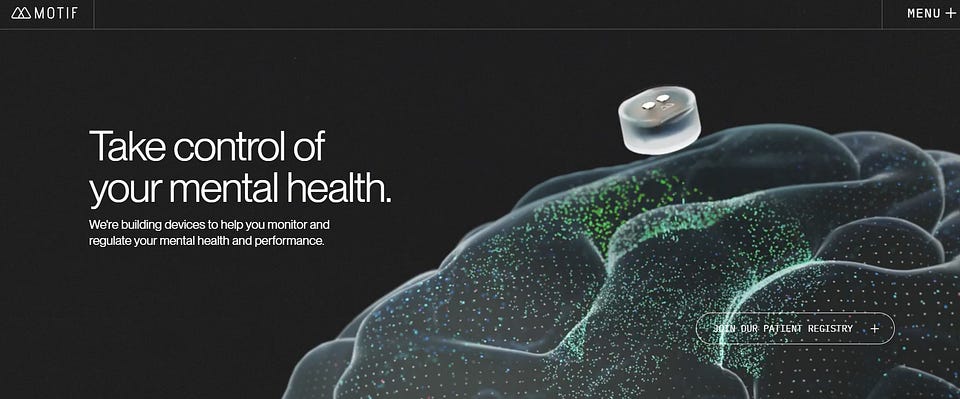
Substack ↗The examples of applications, therapeutic ones included, don't end here. Sabi, a company funded by Khosla and by OpenAI's VP of science Kevin Weil, is trying to read thoughts by developing a ChatGPT of neural patterns. And Motif Neurotech is one of the first companies to get FDA approval for clinical trials of neurostimulation to treat depression.
🍵 ff.151.5 (Digital) detox
Substack ↗Yes, I know, you're thinking it too: yet another technology that solves a “problem” with the “pill” approach. To fix modern depression, it would be enough to remove social media, instead of electronically massaging the brain: a Stanford study on 35,000 people reduced depression by removing Facebook and Instagram for 6 weeks. To measure the detox on the body, David Daines launched Year Unplagged, a year without screens while tracking cortisol and other physiological parameters. So, will the future be more flipbooks and neurostimulation, or nature and zero connections?