
Futuro Fortissimo Archive
🎼 ff.62 How to avoid burnout
An alternative to the “9-to-5” office job: The Pathless Path
Published · Michele Merelli
- Work has never been so central to human life
- Why repeating what our parents did makes no sense
- From McKinsey New York to freedom in Taiwan: Paul Miller, 32
🔥 ff.62.1 Work has never been so important
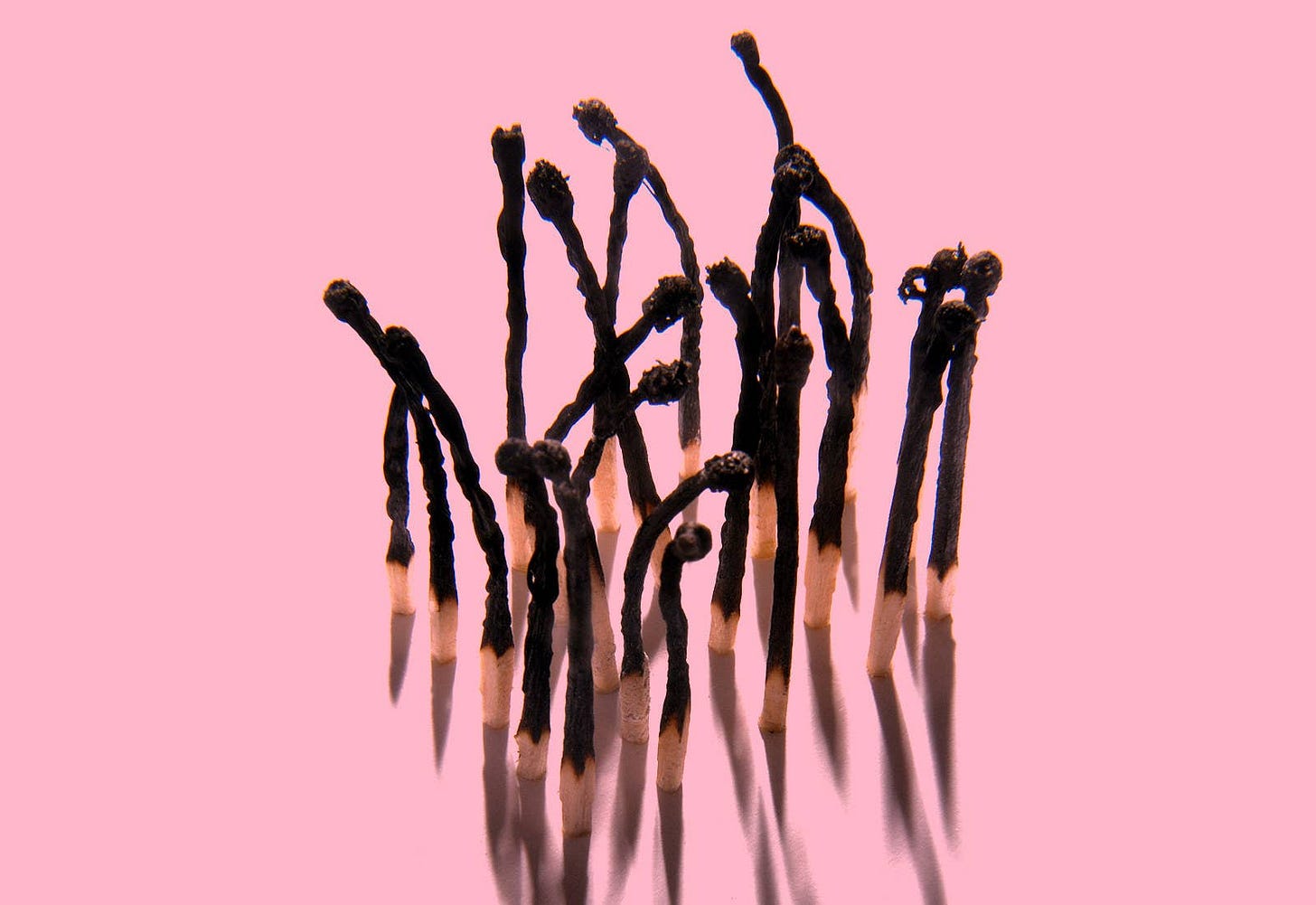
Substack ↗With the pandemic interruption breaking our habits, we also started questioning work (and its routine), perhaps realising how arbitrary certain paradigms are.
Only 40% of Americans. So 100 million people have a job taking up more than 35 hours a week. The “9-to-5” employee (if you're lucky) isn't the norm. It never was. For millennia, Weber's view of work prevailed: working to maintain the standard of living you've reached.
Copy-paste of our parents. The growth of the last 70 years may be unrepeatable. The growth inherent to the economic boom forged a genuine religion of work (and I live in Bergamo).
Everyone worked happily, in exchange for an ever better standard of living. Until today. Copy-pasting our parents, for social, demographic and economic reasons (🤖 ff.36.4 Are we already blended with AI?, a cost of living less sustainable for new generations), no longer seems to work.
study → work → marriage → house → kids
🥾 ff.62.2 Leaving the beaten path
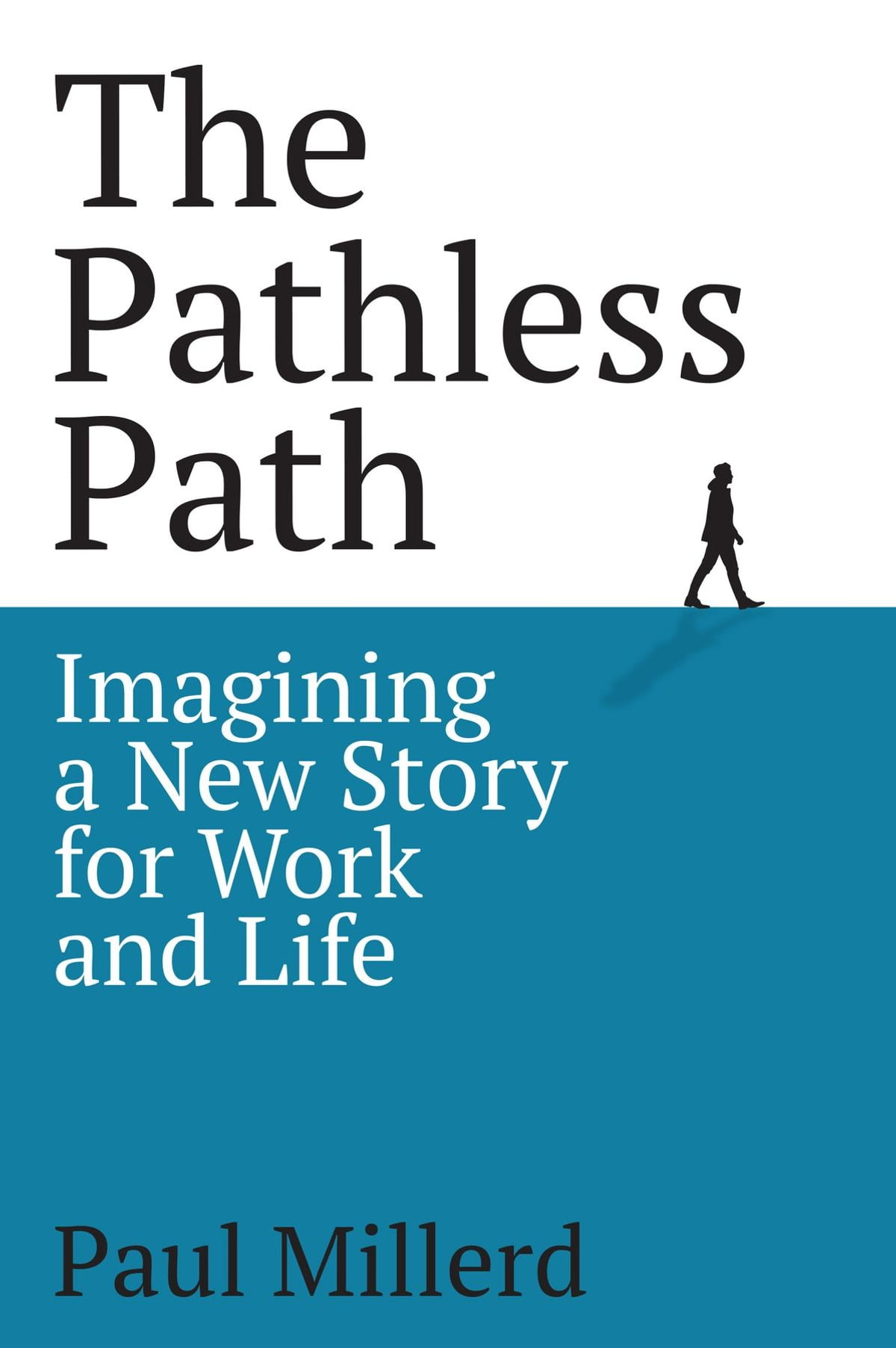
Substack ↗In The Pathless Path, Paul Miller tells the story of his “escape” from the beaten path.
Studia. Prendi bei voti. Ottieni un buon lavoro. Poi, testa bassa e continua ad andare avanti, a chiedere di più, indefinitamente. Questo, ilDefault Path. Paul Miller,The Pathless Path
Paul Miller was the copy-paste poster boy, with stellar degrees and respectable career leaps (GE, McKinsey, Florida, New York). But then came the reflection:
Tutto andava bene, anzi era in continuo miglioramento. Eppure, ogni mattina la mia motivazione di andare al lavoro diminuiva, in un andamento inverso alla mia crescita di carriera e di stipendio.
32, Taiwan and an unhoped-for marriage. So he decided to drop everything, embracing an uncertain future of occasional freelance gigs. He then moved to Taiwan, where he met his wife, even though by then he'd written himself off as old, a hopeless single.
🧾 ff.62.3 Taxing misery
Substack ↗Money and success are the only paradigm to have survived the destruction of values of recent years.
futuro_fortissimo_newsletterA post shared by futuro fortissimo (@futuro_fortissimo_newsletter)
Misery tax. That's the tax that, according to Thomas J. Bevan, unhappy workers have to pay to keep working.
Also interesting is the concept of the “arrival fallacy” put forward by Harvard professor Ben-Shahar: the idea that the next promotion, the next raise, the next job will absolutely be what finally makes us happy.
Having enough: Kurt Vonnegut's anecdote:

🔺 ff.62.4 The pyramid inside all of us
Substack ↗La società moderna ha perfezionato l’arte di far sentire le persone non necessarie. Sebastian Junger,Tribù. Ritorno a casa e appartenenza
There's a problem with our scale of values. Maslow's hierarchy of needs reminds us of it.
The concept of Measured Discomfort discussed by Alex Lieberman is connected to all this.

🕹️ ff.62.5 Independence and curiosity
Substack ↗What's the solution?
On one hand, more flexible hours and remote working can help (freelancers and occasional jobs have grown from 10 to 15%; the WSJ reports workers are happier, maybe because they smoke more marijuana?).
Miller proposes creativity: finding an enjoyable activity to do, regardless of everything. For him, writing. Did it bring him JK Rowling's money and success? No. But that's not the point.
By writing, Miller finds motivation and builds connections with his readers. Belonging, esteem, self-actualisation. There's Maslow's pyramid again.
futuro fortissimo is - perhaps - exactly this.
Want to support this project? → Share it with a friend on WhatsApp → Buy me a coffee 😏 → Remember to leave a little heart below. 👋 See you soon, from micmer
☕❤️