Futuro Fortissimo Archive
🎼 ff.145 Sugar, bones and crème brûlée
Food design against “the new smoking”: food
Published · Michele Merelli
- Are wrinkles our body's crème brûlée?
- Does drinking vinegar bring down blood sugar?
- Cakes, from wedding parties to charts
🦴ff.145.1 Man to the bone
Substack ↗Every week a new AI model is released with startling results (the latest is Gemini 3 and its 48.4% on Humanity's Next Exam). So, for a while now, I've argued that as automation grows, humans will have to take refuge in physiology, our natural substrate.
"If energy and money lose their value, will biological health (measured in VO2max) be the new wealth?" — micmer
That's why futuro fortissimo keeps coming back to topics like (metabolic) health, exercise and diet. A return to “man stripped to the bone”.
"Ah, the man who walks off sure of himself, a friend to others and to himself, and pays no heed to his shadow, which the dog-day sun stamps on a crumbling wall!" — Eugenio Montale, Cuttlefish Bones (Ossi di seppia)
🍬ff.145.2 Candy from strangers
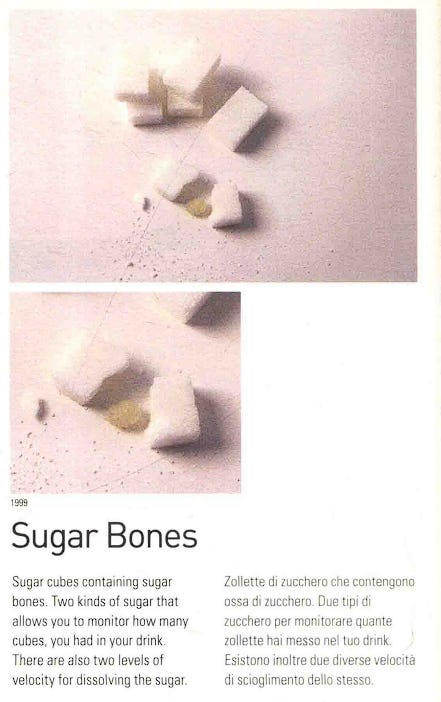
Substack ↗Speaking of bones. In Sugar Bones, Martí Guixé imagined sugar cubes with insoluble residue inside: fossils of our sugary consumption.
A perfect link to today's main topic: blood-sugar spikes.
Hold on, hold on, hold on… Sugar isn't inherently evil. It's essential for our brain (and for Pogačar to win the Tour de France). The real problem is the lack of movement (and of muscle) able to “soak it up”.
🎢ff.145.3 Blood-sugar spikes (and how to avoid them)
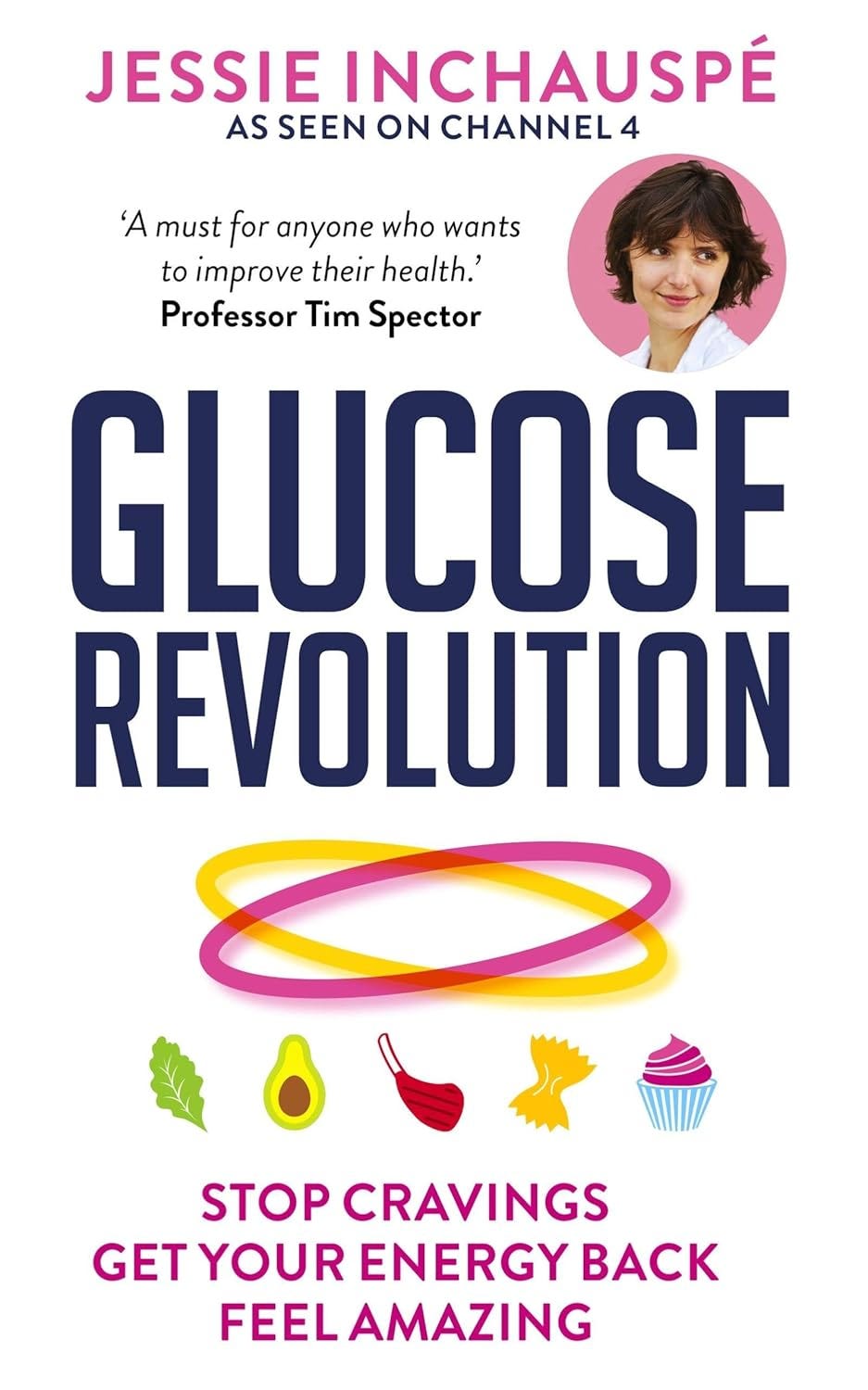
Substack ↗In Glucose Revolution, Jessie Inchauspé argues that we're molecularly illiterate. We stop at calories and labels, when we should be focusing on the “ratios” between nutrients.
The author points out that sugars aren't harmful in themselves (they're the basis of fruit, after all); what's harmful is eating them without the “natural substrate” that naturally comes with them, like the fibre and vitamins that slow their absorption.
To “slow down” the Western diet, a Blue Tornado of glucose spikes, she suggests:
1. Dress “naked” carbs (pasta on its own, or fruit on an empty stomach) with fibre or protein (fibre also reduces alpha-amylase and creates a viscous mesh that slows gastric emptying into the gut)
2. Drink apple cider vinegar 20 minutes before dessert, to cut the spike by up to 30%, again thanks to temporarily deactivating alpha-amylase.
3. Eat carbs last: go ahead and have a plate of pasta or a dessert at the end of the meal, but only after a salad followed by protein and good fats.
Bonus. Too much circulating sugar leads to glycation of the skin (wrinkles) and of the blood (or rather, of haemoglobin = HbA1c).
🚬ff.145.4 Food seriously harms your health
Substack ↗This energy rollercoaster isn't your fault, though.
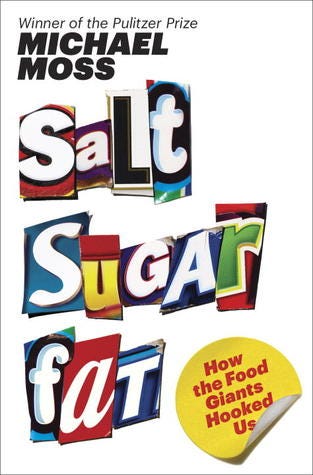
Mark Hyman, in a recent ZOE podcast, explains how food manufacturers hire “craving experts” to maximise how addictive processed foods are, with an irresistible mix of salt, sugar and fat.
The results? In China, in a single generation, exposure to these foods has taken diabetes from 1 case in 150 to 1 in 10.
No surprise, then, that ultra-processed food is “the new cigarette” (11 million deaths vs 8), so much so that every €1 spent at the supermarket hides €2 in health costs (Rockefeller Foundation, 2021).
Hyman goes as far as comparing cake to tequila at breakfast, saying that - in fact - it's just as harmful.
🍰ff.145.5 Brilliant pie charts
Substack ↗And so, back to Martí Guixé.
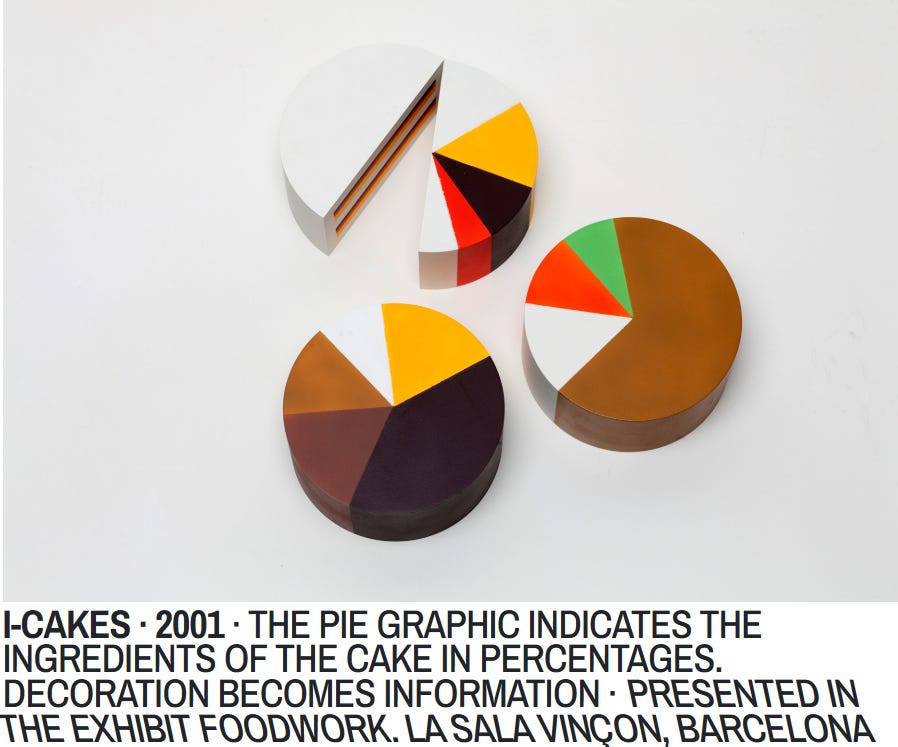
For the father of food design, food should be an object able to communicate its function (or its danger), so much so that in I-Cakes Guixé replaced the floral decorations on cakes with a chart - a pie chart, naturally - of the ingredient percentages.
A pie chart to metabolise before ingestion.
Twenty years before Supersapiens' glucose sensors, Guixé had understood that to solve the 21st century's pandemic we need to go back to the data.
We'll probably never see a label on a pack of Pringles like the one on Marlboros, saying “processed food kills”.
But that's exactly the project we should start again from, moving beyond the aesthetics of food and back to the data. So as not to end up (physiologically too…) stripped to the bone.