Futuro Fortissimo Archive
🎼 ff.49 The pandemic of the 21st century
Why are we getting ever more obese? Doritos, physical activity or pollution?
Published · Michele Merelli
- Why are our pets getting fatter along with us?
- Alternative theories (still to be assessed scientifically)
- Forever 18 with 100+ pills a day
⚽ ff.49.1 We're getting rounder
Substack ↗Nutrition and diet are a complex topic, hard to unpack in a newsletter, also given the non-trivial connections between:
Genetics; Microbiome; Meal timing; Amount of fiber and micronutrients; Type of exercise / training level of each individual; Other aspects we'll try to throw into the pot in this 🎼ff.
Let's give it a go anyway. And let's do it with a number that sticks. After all, this is Futuro Fortissimo. Obesity mortality worldwide is rising:
5.3% (1990) | 8.5% (2019) | +3% in 30 years
The share of obese adults has also nearly doubled over the last 40 years. Give or take a country, the whole West is following a not exactly positive trend.

👅 ff.49.2 BMI, BMR (they're not raspberries)
Substack ↗These charts, though on different scales, remind me terribly of those from February 2020. In a (post-)COVID era, can we talk about another, quieter and slower pandemic? If so, what is the “obesity virus”?
Let's start with the basics. With the PCR test.
BMI, body mass index. The well-known index, a cold, hard number, tells us whether we're under/normal/overweight. On 🎼ff we give numbers a personal, “understandable” spin. So here's a range for various heights:Height ! 18 - 21 - 25 |————————————————————————150 cm ! 41 - 47 - 56 |155 cm ! 43 - 50 - 60 |160 cm ! 46 - 52 - 64 |165 cm ! 49 - 57 - 68 |170 cm ! 52 - 61 - 72 |175 cm ! 55 - 64 - 77 |180 cm ! 58 - 68 - 81 |185 cm ! 62 - 72 - 86 |190 cm ! 65 - 76 - 90 |
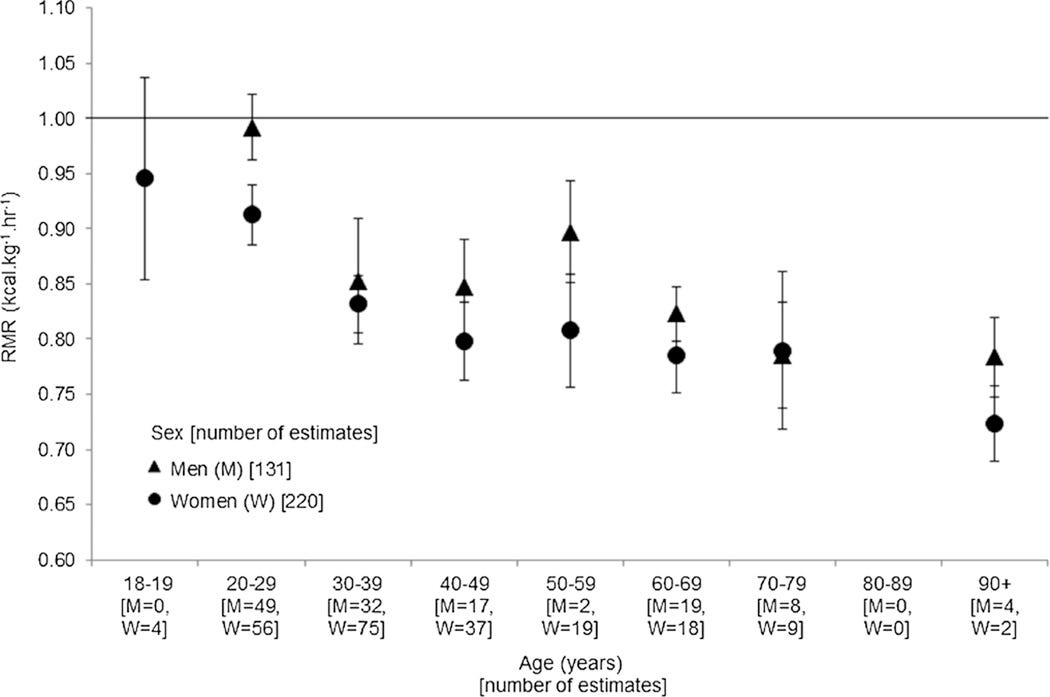
BMR, basal metabolic rate. It's how much our body burns just to survive, at rest. Here's the first dose of variability: BMR can range from 1100 kcal up to 2500 kcal a day. 63% depends on how much muscle you have, 26% on unexplained individual factors (!).
It's also influenced by age, sex and (needless to say) BMI:

🍔 ff.49.3 Diets and pollutants
Substack ↗We've seen the trends and laid the groundwork for measuring our bodies. Now let's try to understand why we're getting ever rounder.
Chicken and Doritos. The first suspect is obviously diet. Pew Research collected the changes in the American diet over the last 40 years. People take in 400 kcal more, eat twice as much chicken and fewer potatoes (even counting fried/bagged ones).
Calories in - calories out. This simple little rule is a good starting point. After all, the correlation between BMI and calories consumed is clear.
And yet there's a non-negligible spread at equal calories consumed (maybe because, for example, digesting food takes more or less energy depending on meal size, amount of fiber and macronutrients?).
Fats or carbs. Both macronutrients have been blamed for the pandemic. And yet one study found no difference between a mostly fat-based diet and a carb-based one. Backing this up, the diet (3000 kcal) of the super-healthy Maasai (a nomadic people between Kenya and Tanzania) is 66% fat.
Then there's the decline in carb consumption in recent years.
In short, tinkering with macronutrient percentages doesn't seem to have much effect. Fiber, on the other hand, helps lower BMI (for example by adopting a whole-food plant-based diet).
But is there more?
A Chemical Hunger is a read with food for thought, even if, I admit, at times a bit far-fetched (the discussion on Y Combinator).
Let's put more meat on the fire (but don't eat it!):
Eating 10,000 kcal a day leads to weight gain, obviously. Once the over-feeding period ends, though, people return to their original BMI. The potato diet, which makes you lose weight and the urge to eat. In Australia sugar intake has dropped by 20%, but obesity keeps rising. The inverse correlation between obesity and altitude above sea level. Processed foods are linked to a higher risk of premature death and even dementia, due to their low fiber content and the many added ingredients for long-term stabilisation. Fats and sugars make us release a whole lot more dopamine, after all.


💊 ff.49.4 The superman who takes 100 pills a day
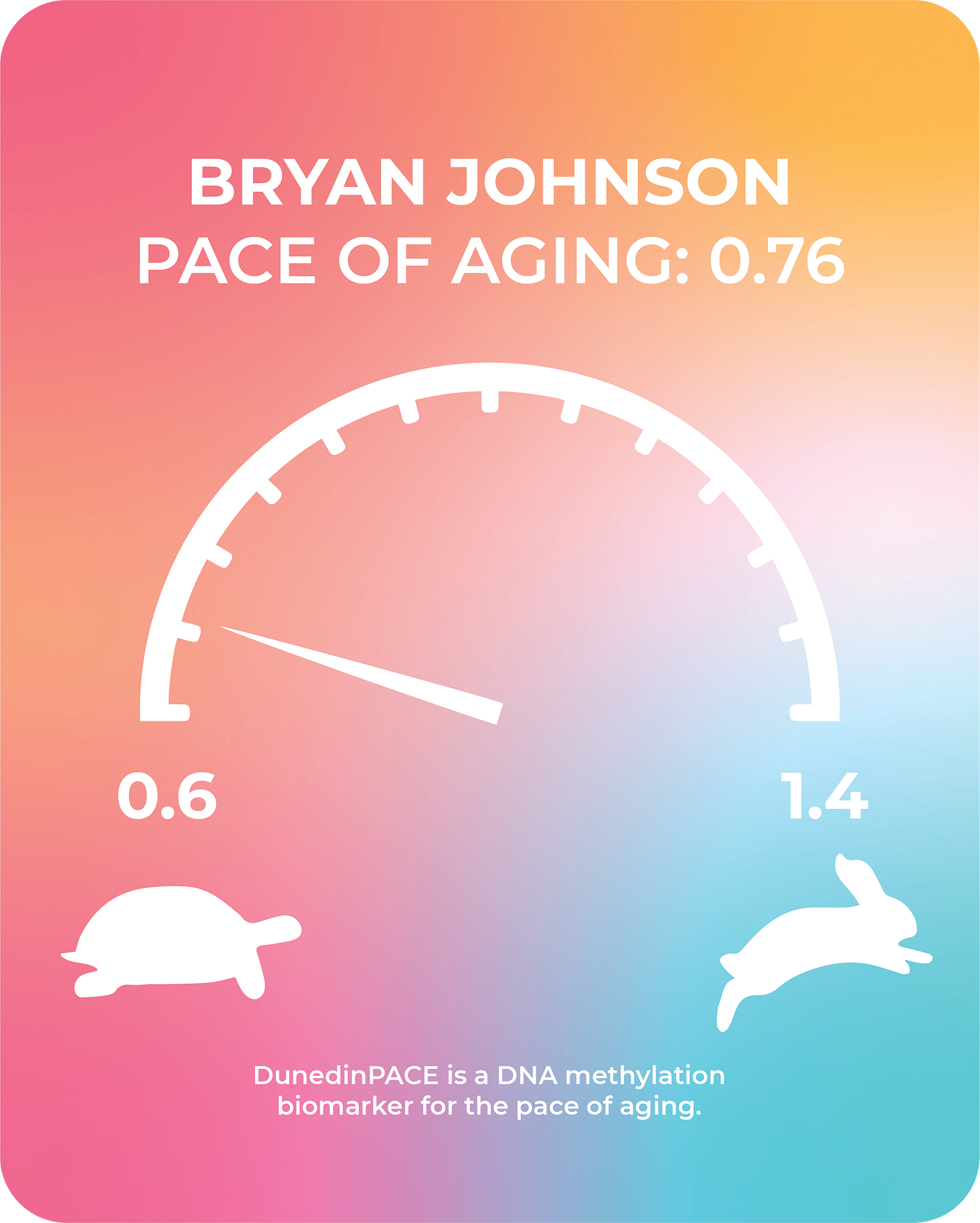
Substack ↗The record for reversing epigenetic ageing (5 years). Some people have taken diet care to the extreme (ranking first in the Rejuvenation Olympics).
Bryan Johnson. 45 years old (on paper) and founder of Braintree, acquired by PayPal in 2013 for 12 billion. He proposes the Blueprint method to slow down ageing (or reverse it). If you follow the previous link, you'll find the obsessive tracking of every aspect of his physiology.
His diet stats | 1,977 calories | 24% caloric restriction | Vegan | 30 kg of vegetables a month | 100+ pills a day
Well, I'd say we've gone from one extreme to the other. All that's left is to close with a bit of (overused) philosophy (after so much physiology).
We are what we eat. Ludwig Feuerbach
🎵 Final notes
Coming soon: bio-sensors implanted in the mouth, gut and liver that will flag every little dietary slip. Positive or anxiety-inducing?
In the next 🎼 ff we'll talk about 1970 (what happened?)! 👋 See you soon, from micmer
Want to support this project? Subscribe to the newsletter and share it with a friend on WhatsApp
👇🔥Subscribe
Or buy me a coffee 😏
☕
And remember to leave a little heart below.
♥️