Futuro Fortissimo Archive
🎼 ff.4 Resurrected mammoths
Proteins unveiled, bacteria, puzzle magazines and extinction.
Published · Michele Merelli
- how we use Artificial Intelligence to predict the structure of proteins, or of the next breakthrough drug.
- Mammoths to resurrect and puzzle magazines.
Themes🥗 Nutrition and microbiome🏃 Health, sport and body🤖 AI, agents and models
🧬 ff.4.1 The structure of proteins
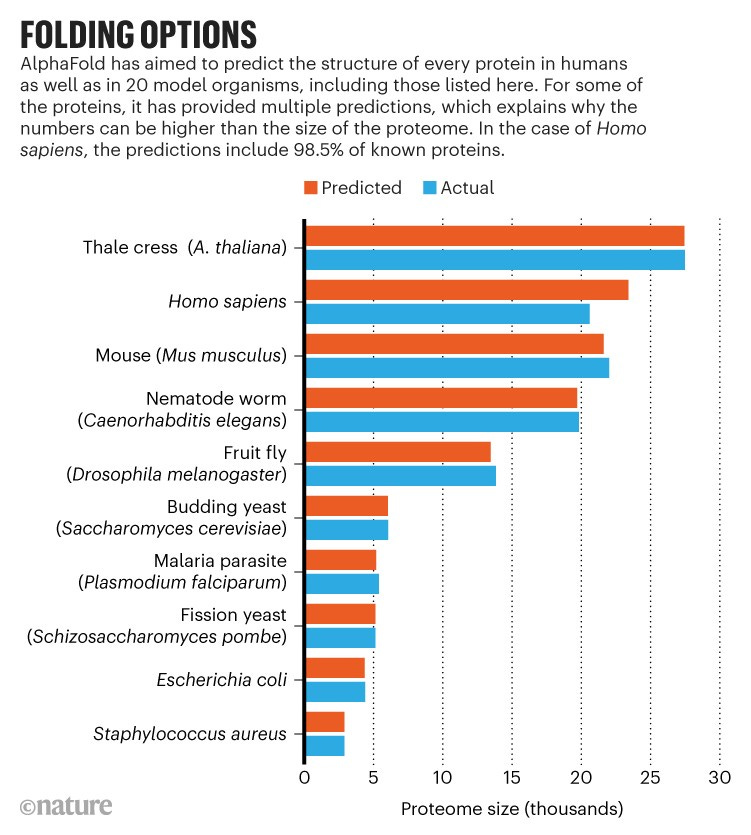
Substack ↗About a year ago, DeepMind showed it could find the structure of proteins within hours. People had been trying to figure out how to do this for 50 years.
Why it's revolutionary: until two years ago, protein structures were obtained through long and expensive experiments and were known for only a third of the 20 thousand human proteins.
AlphaFold, in one year, predicted the entire human proteome and those of various other living beings, for a total of 350 thousand proteins. It's estimated we'll reach 130 million by early 2022.
From Nature and DeepMind


💊 ff.4.2 And that of the next breakthrough drug
Substack ↗A similar approach was applied to chemistry for new drugs. Instead of solving the complicated quantum equations of chemical bonds, an Artificial Intelligence was trained to predict their properties.
The result? Chemical structures predicted in 3 hours instead of 3 months: 720 times faster.

🦖 ff.4.3 Mammoths brought back from extinction
Substack ↗Wouldn't it be amazing to go skiing in Cortina and bump into Manny (remember?) crossing the slopes?
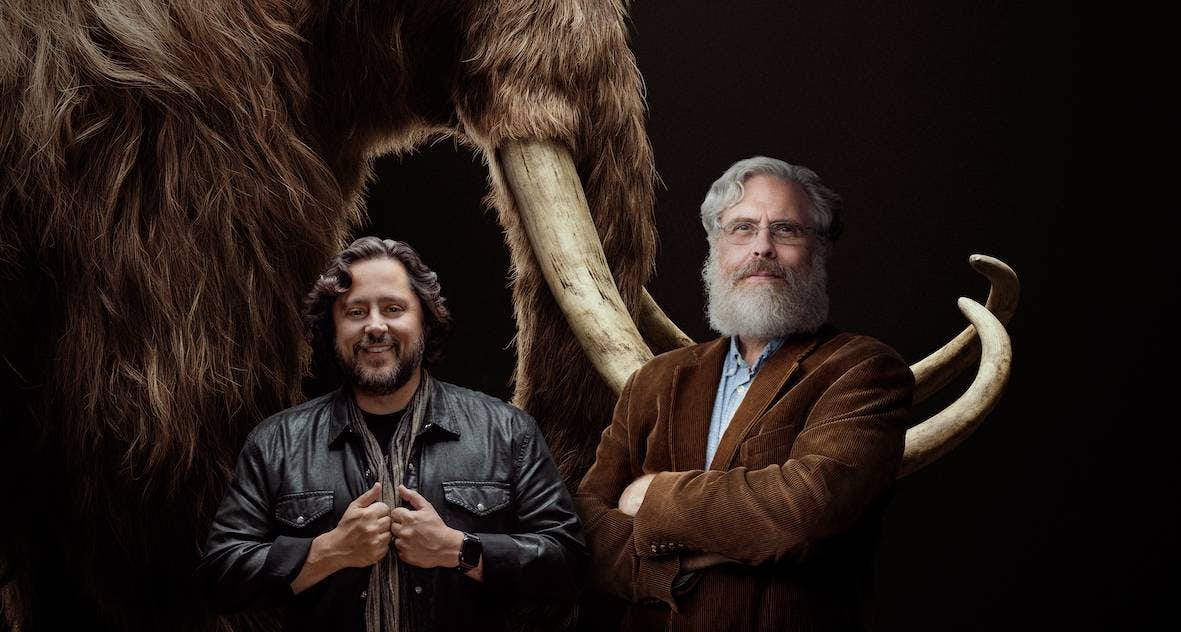
Colossal, an American startup led by George Church (the Elon Musk of genetics, MIT professor and lots of other stuff), is trying to bring back mammoths, which were still alive 3500 years ago, so not in the time of the dinosaurs (150 million years ago).
On their website, they list 10 reasons why they want to do it. A selection:
rebalancing the tundra ecosystem, protecting the permafrost to prevent global warming; understanding the genetic mechanisms of cold resistance; improving powerful new gene-editing techniques (CRISPR).
Now you know: an estimated 6 species go extinct every hour. De-extinction looks like the classic convoluted solution to a man-made problem. But if preventing these extinctions doesn't seem easy, all the better to find technologies able to reverse the trend.


📉 ff.4.4 DNA beats microchips!
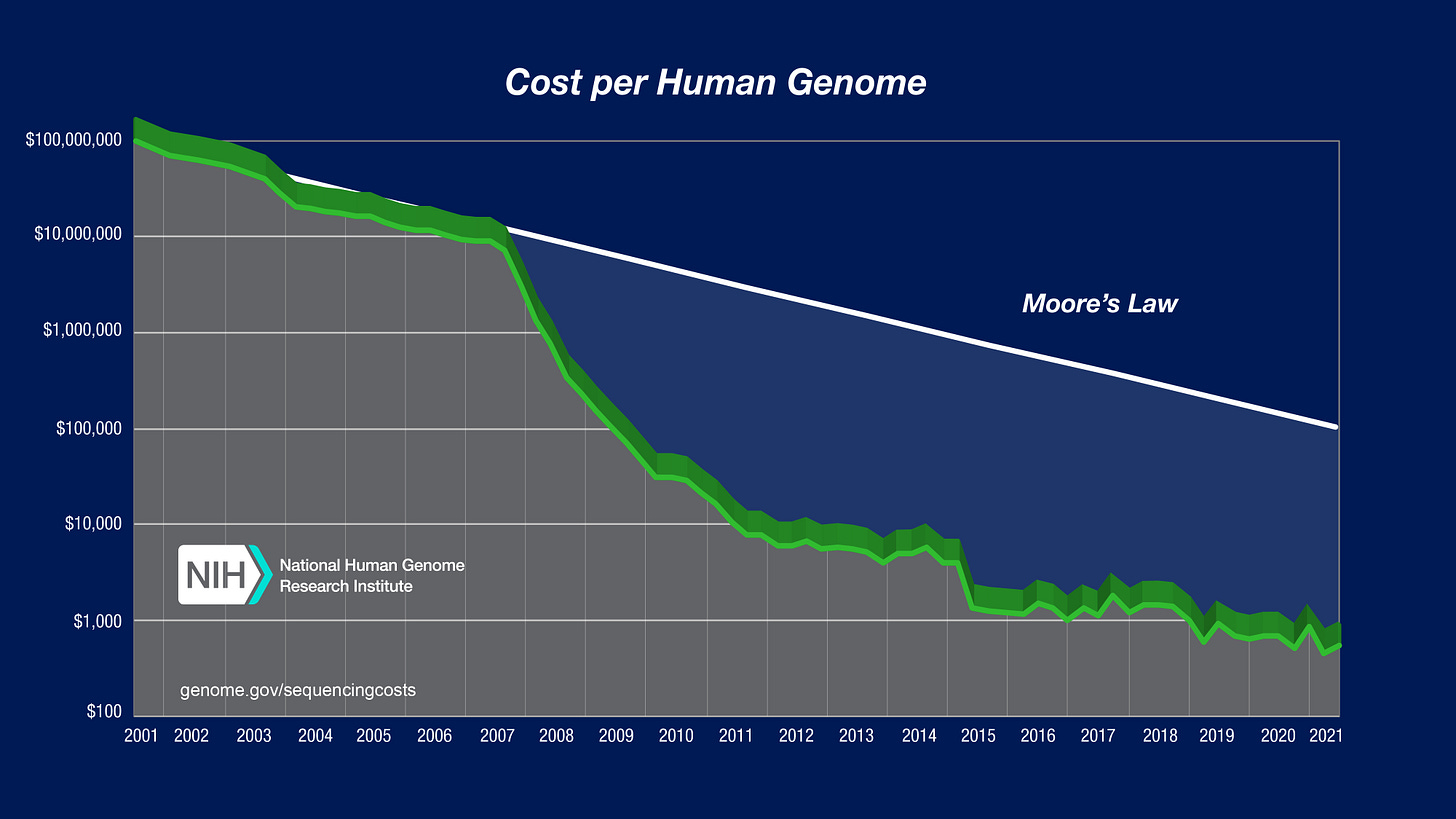
Substack ↗Another fundamental piece of how biology will turn our lives upside down over the next decade, exactly as PCs did over the last twenty years, is the chart below.
The cost of sequencing DNA has dropped by a factor of 100,000 (!) over the last 20 years. Today, sequencing a genome costs less than the latest iPhone ($1000). Have you booked your test yet?
🦠 ff.4.5 Computational microbes?
Substack ↗E. coli (yes, him again) can solve mazes! So even La Settimana Enigmistica (Italy's cult puzzle magazine) is now out of the realm of things only humans can do. Just like the third task of the Triwizard Tournament.
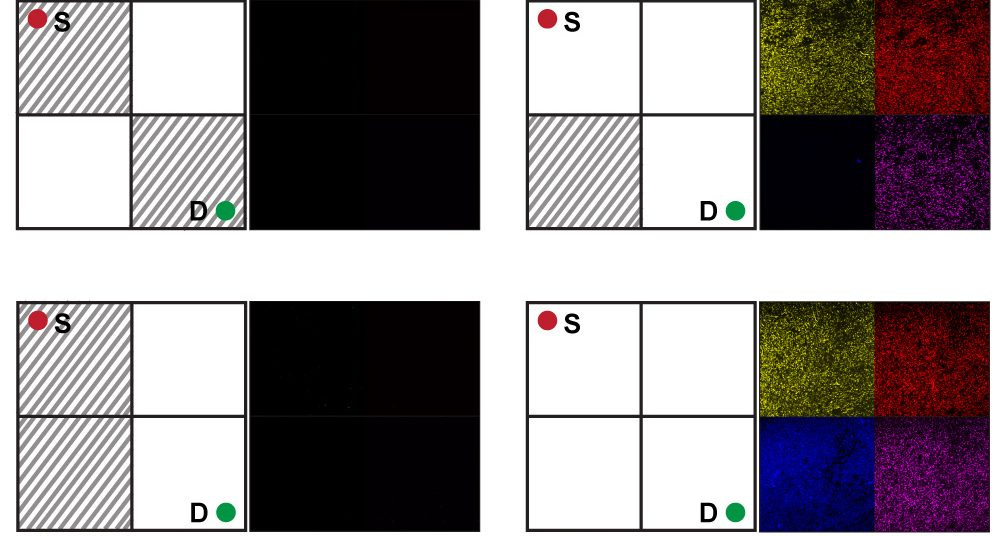
In plain words: the researchers created a very simple maze made of a 2 x 2 grid. If certain target chemical compounds weren't present in an area (i.e. it was a blocked path), the bacteria didn't express fluorescent proteins (they didn't light up), identifying an unsolvable maze:
In rich words:
Here, we mapped all the input-output matrices ofa 2 × 2 mathematical maze on a 4-input-4-output truth table. The logic values of four chemical inputs determined the 16 different 2 × 2 maze problems on a chemical space. We created six multi-input synthetic genetic AND gates, which distributed among six cell populations and organized in a single layer. Those cell populations in a mixed culture worked as a computational solver, which solved the chemically generated maze problems by expressing or not expressingfour different fluorescent proteins.
In short, this paper closes the loop for today: we've talked about computers driving new discoveries in biology, all the way to an algorithm running on a biological substrate: fortissimo!
👋 And that's all for this fortissimo week! 🔜 Next week we'll talk about electric mobility. See you soon, Michele
Want to support this project? Subscribe to the newsletter and share it with a friend on WhatsApp
👇🔥Subscribe
Or buy me a coffee 😏
☕
And remember to leave a little heart below.
❤️