Futuro Fortissimo Archive
🎼 ff.52 Founding a Nation in your garage
Centralisation or decentralisation? An unstable balance
Published · Michele Merelli
- 3,600 microregions generating half of world GDP
- Technological centralisation / institutional decentralisation
- The free book by Coinbase's former CTO
Themes🏛 Geopolitics, economy and society🌍 Nature, climate and energy🤖 AI, agents and models
🔒 ff.52.1 A cryptic world
Substack ↗Democracy trembles. Democracy and modern institutions are so fragile. The earthquake in Turkey showed that some nation states can't even count people, assess the state of buildings or assign property.
The concept of the Nation-State is also cracked by citizens able to cross borders digitally, work remotely, move money around blockades (as is happening with the war in Ukraine).
The failure of Nation-States is also due to huge technological development. After all, during the pandemic Google tracked mobility better than any nation.
And so we're back to talking about cryptocurrencies. But aren't they “like, so 2021, bro”? No. Even though Bitcoin is worth half its peak (partly because of the FTX mess), they're more relevant than ever.
Dare Obasanjo 🐀@Carnage4LifeThis video aged perfectly11:01 PM ∙ Nov 8, 20223,757Likes488Retweets
🏙️ ff.52.2 Centralising pays off
Substack ↗Centralisation or decentralisation? Let's add a piece to today's Futuro Fortissimo: cities. Or rather, centralisation. McKinsey helps us out this time too, pointing out that half of world GDP in the 2010-2020 decade was generated in 3600 regions (covering 1% of the planet).
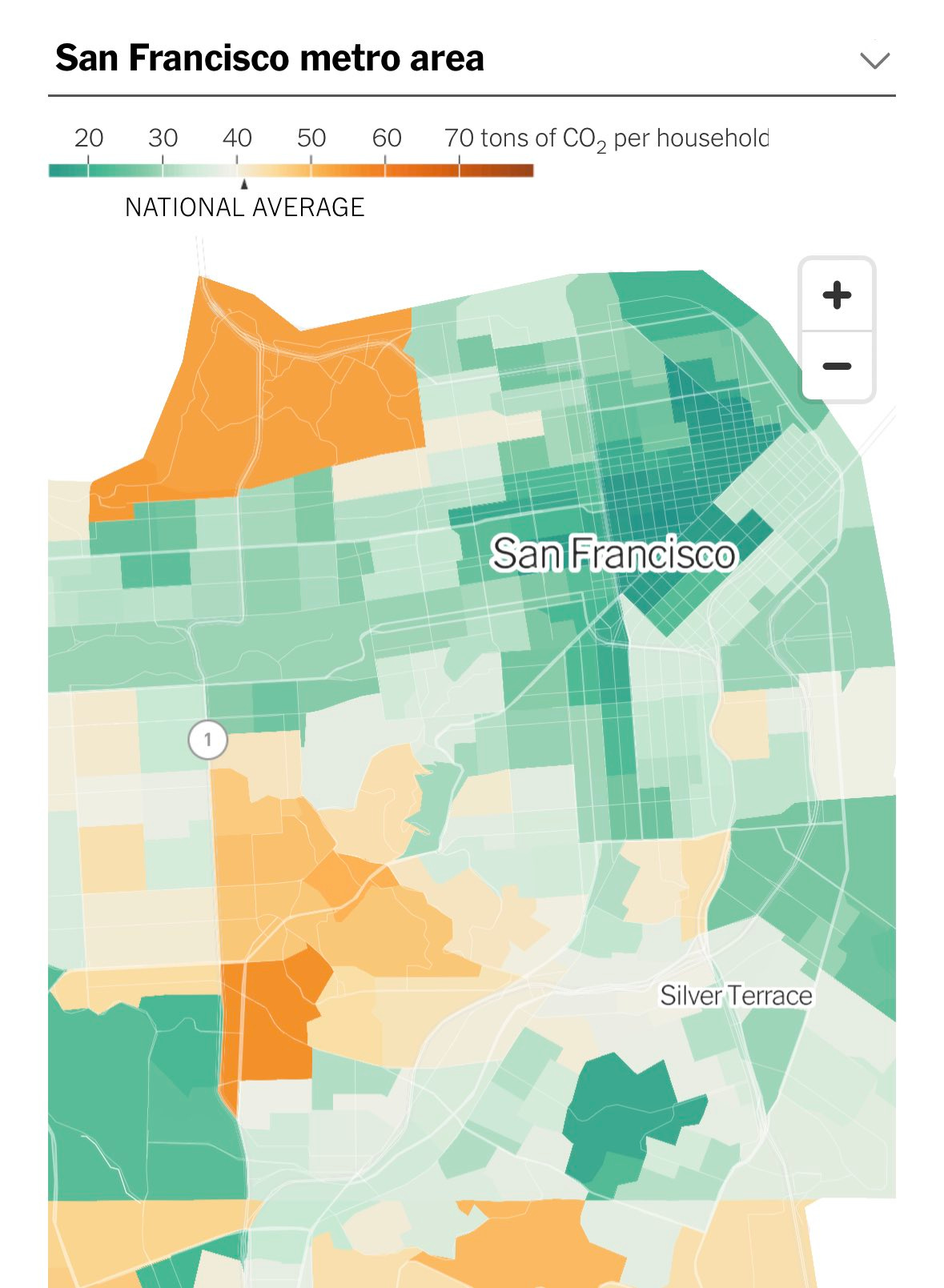
Cities could also help us contain climate change, since they seem to pollute less (cutting the travel needed to reach services and pushing people to live in smaller homes, with lower consumption).
Services are increasingly centralised too. Companies controlled by a handful of individuals can choose to dethrone the President of the United States from a social network or control our access to news and information.
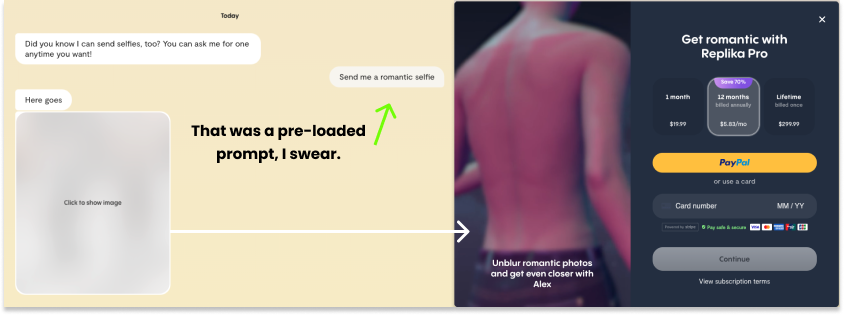
The film Her. With the arrival of ChatGPT and the like, sexuality, psychological support and friendship will also be managed digitally (Replika, the PEGI 18 bot that sends you (for a fee) hot pics).
The problem? 6529, a CryptoPunk active on Twitter, comes to the rescue with a reflection on the growing need to decentralise. He uses New York taxis to make his case:
6529@punk65291/ On Taxis
Or how the world is centralizing all around you, but why you, fellow citizen, have probably not thought about it at all.
(NYC, 2007 below)7:17 PM ∙ Feb 16, 20234,565Likes1,288Retweets
centralised world → better services → lower costs → more control → monopoly → companies acting as gatekeepers to ever larger spheres of our being
Without being able to hop in an Uber or use the Twitter API, you can survive (maybe). ASML could stop Moore's law. But if monopoly also extends to personal development and mental stability, things get more serious.
Roko. Eth@RokoMijicFurther hardware improvements can be stopped since the supply chain for EUV photolithography relies on one company (ASML). A few key companies can be shut down and Moore's Law stops.
Obviously we'll have software improvements for a while, but this significantly reduces... 8:57 AM ∙ Feb 23, 202327Likes1Retweet
Share

🌐 ff.52.3 Founding your own nation
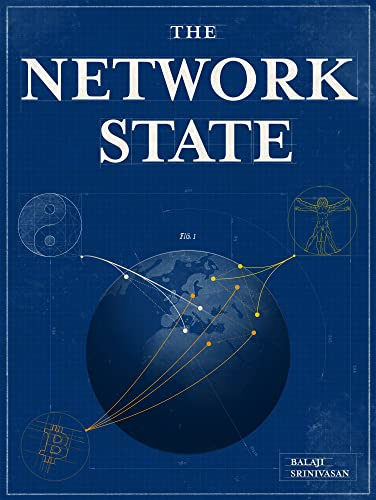
Substack ↗Homemade nations. Balaji Srinivasan (former CTO of Coinbase and general partner at A16Z) proposes a solution to these problems in his recent book The Network State, freely available online (don't worry, it's also summarised in one sentence, 1000 words, one image, or a short essay).
Not everyone is Trump. Balaji starts with a couple of reflections:
The probability of becoming President of the United States is far lower than even that of becoming a billionaire. Only 45 people have made it, because of bureaucratic/legislative/demographic eligibility limits. Many nations (and their monetary reserves) are much smaller than the Bitcoin and Ethereum networks.
So Balaji offers a guide to founding and building a digital state:
As easily as you found a startup, you can think about building a startup society. All it takes is a Discord group of people who believe in certain rules (ideally a simple diktat, like “100% vegan” or “long live abs”). Around this rule, people can coordinate to reach a higher goal (with tokens that incentivise working in that direction). Thanks to the value created by the internal economy, the digital world can start spilling over into the real one. In the “long live abs” example, you'd start with gyms, then buildings and whole cities, accessible only to members holding the token. Then you need to connect the various physical nodes with decentralised protocols and social interactions powered by augmented reality. At this point the network could monitor its users' economy and demographics. Its legislative and institutional capabilities would then lead to pressure for recognition by national bodies.
🎵 Final notes
In the future, we'll need a visa to enter a vegan restaurant. And woe betide us if in the last 12 months we've passed through the state recently founded by the Berettas.
In the next 🎼 ff we'll talk about the fight against cancer! 👋 See you soon, from micmer
Want to support this project? Subscribe to the newsletter and share it with a friend on WhatsApp
👇🔥Subscribe
Or buy me a coffee 😏
☕
And remember to leave a little heart below.
❤️